PERSONALIZED HAWAII TOURS
First Time in Oahu: What You Should Know Before You Arrive
April 20, 2026
Oahu has a way of surprising first-time visitors, in the best possible sense. The island is bigger and more varied than a week of beach photos suggests, with distinct neighborhoods, landscapes, and experiences spread across its length. A little planning before you land goes a long way toward making the most of it.
This guide covers the practical side of Oahu travel that first-timers consistently find helpful: how the island is laid out, what to expect with traffic and getting around, which attractions are worth booking ahead, and what to pack. Most of this is the kind of detail that does not make it into the highlights reels but makes a real difference once you are on the ground.

Here is what to know before going to Oahu, so you arrive informed and ready to enjoy it.

Oahu, Honolulu, and Waikiki Explained
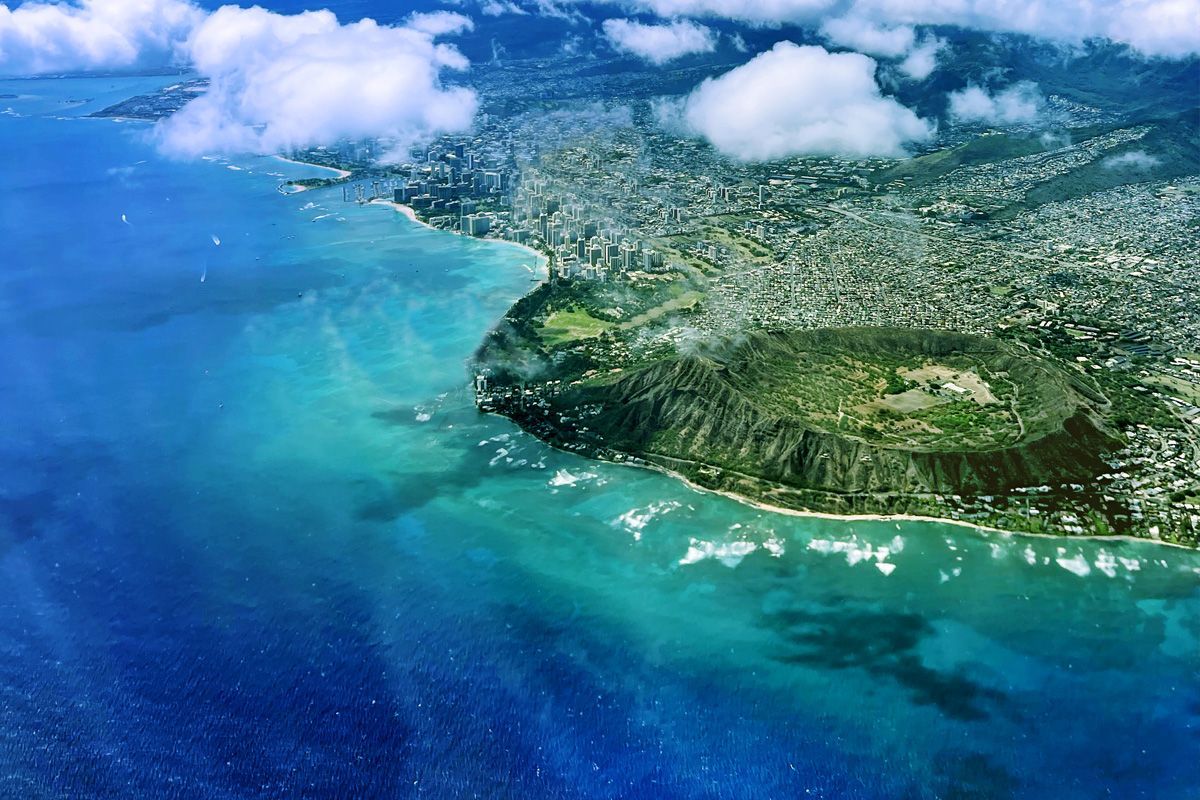
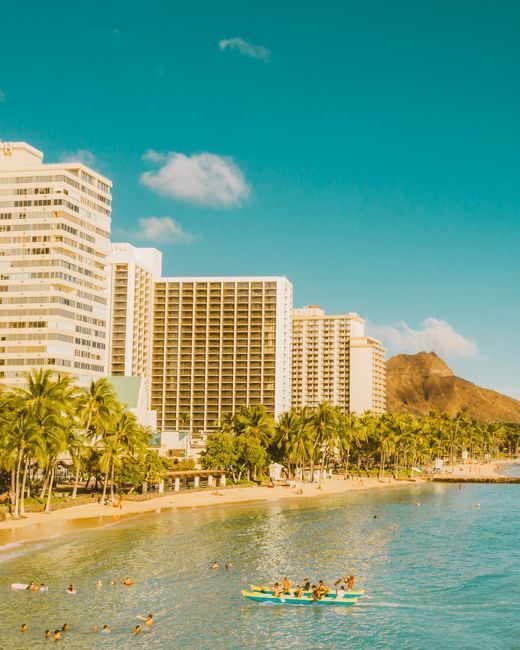
Many first-time visitors use these three names interchangeably, which causes real confusion during planning. Oahu is the island. Honolulu is the state capital city on Oahu's southern coast. Waikiki is a neighborhood within Honolulu, famous for its beach strip, hotels, and walkable restaurant scene. Knowing this matters for accommodation decisions. Staying in Waikiki puts you within 10 minutes of the beach, most tour pickup points, and Diamond Head. Staying elsewhere in Honolulu can mean longer commutes to the same places without much practical benefit for a first visit.
How Long Should You Stay?
This Oahu first time visitor guide recommends five to seven days as the baseline for a first visit. That gives you enough time for Pearl Harbor (a half-day to full day on its own), a North Shore day trip, proper beach time, and at least one or two days to follow your own interests without rushing every morning.
Three or four days is possible but requires a deliberate choice about what to cut. If Pearl Harbor is the primary reason for your visit, build the itinerary around that first and fill the remaining days. If you try to do everything in three days, you will spend most of it in transit or standing in lines for attractions you did not reserve far enough in advance.
Getting Around Oahu
Oahu has more transport options than any other Hawaiian island. Here is the honest breakdown of when each one works and when it does not.
City bus and Waikiki Trolley work well if you are staying in Waikiki and your plans do not extend beyond the south shore. They are slow, run on fixed schedules, and make multiple stops. Fine for a relaxed beach day. Not practical for Pearl Harbor, the North Shore, or anywhere on the windward coast.
Rideshares work well for short hops within Waikiki and evening outings when parking is a headache. They become expensive and unreliable for longer cross-island trips, particularly on the return from the North Shore when demand spikes at the end of the day.
For destinations beyond central Honolulu, including the North Shore, Ko Olina, and the windward coast, a rental car or private tour is the practical choice. Private Oahu tours with hotel pickup remove the need to navigate unfamiliar roads and are especially useful for first-time visitors who want to cover multiple areas in a single day.
Traffic and Timing Tips
Oahu's rush hour is real and it catches most first-time visitors by surprise. The morning window runs from roughly 7 to 9 AM heading toward downtown Honolulu. The afternoon window runs from about 3 to 6 PM heading back toward Waikiki and the west side. On a bad afternoon, the drive from Pearl Harbor to Waikiki that takes 20 minutes at 11 AM can take over an hour at 4 PM. Plan around this before you plan anything else.
The practical rule: leave your hotel after 9 AM for any morning activity involving city driving. If you are returning from Pearl Harbor or the North Shore, aim to be back in Waikiki before 3 PM or plan to stay out and eat dinner somewhere before driving back after 7 PM. Trying to split the difference and leaving at 4 PM is when the day goes wrong.

What to Pack for Oahu
Oahu tips for first time visitors on packing: two rules that trip up visitors who do not know about them before they land.
First: sunscreen. Hawaii has banned the sale of sunscreens containing oxybenzone and octinoxate since 2021. These are the active ingredients in most of the popular drugstore brands sold on the mainland. Pack mineral-based sunscreen before you leave home. Do not assume you can buy your usual brand at a Waikiki pharmacy, because you cannot.
Second: single-use plastics. Hawaii has moved to eliminate them across the state. A reusable water bottle is not optional in the sense of being nice to have; it is the difference between staying hydrated affordably and paying $5 for a plastic bottle at every stop. Pack one.
Beyond those two: light breathable clothing, closed-toe shoes for Pearl Harbor, and a light layer for air-conditioned spaces and cooler evenings. If you are preparing for a trip to Oahu, those are the five things worth getting right before you land.
Things to Do in Oahu for First Timers
The things to do in Oahu for first timers list is shorter than most guides make it. A handful of experiences consistently stand out as the ones visitors say they would not have skipped. The three below are the most frequently named, and each one is distinct enough that no two of them feel like the same kind of day.
Pearl Harbor
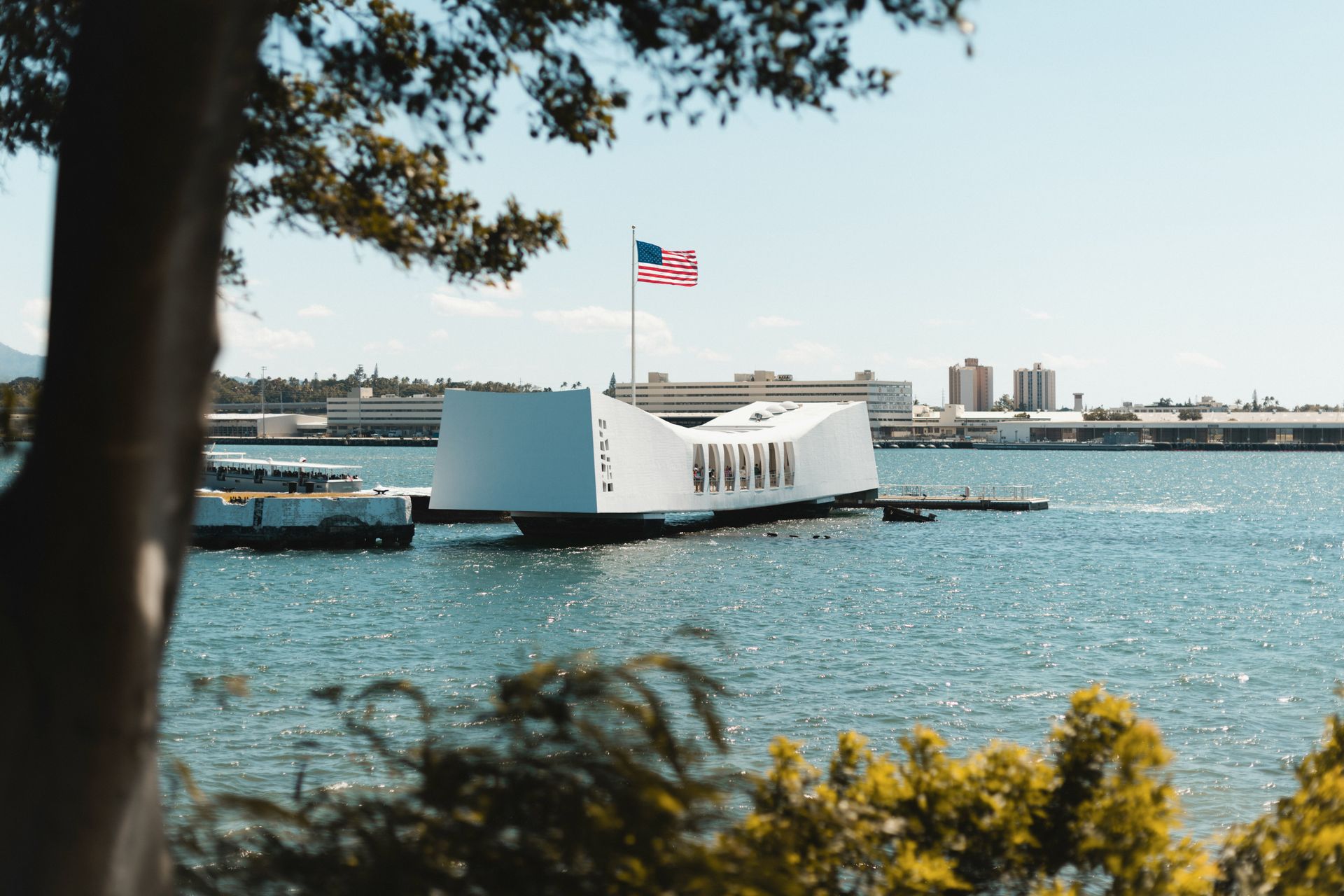
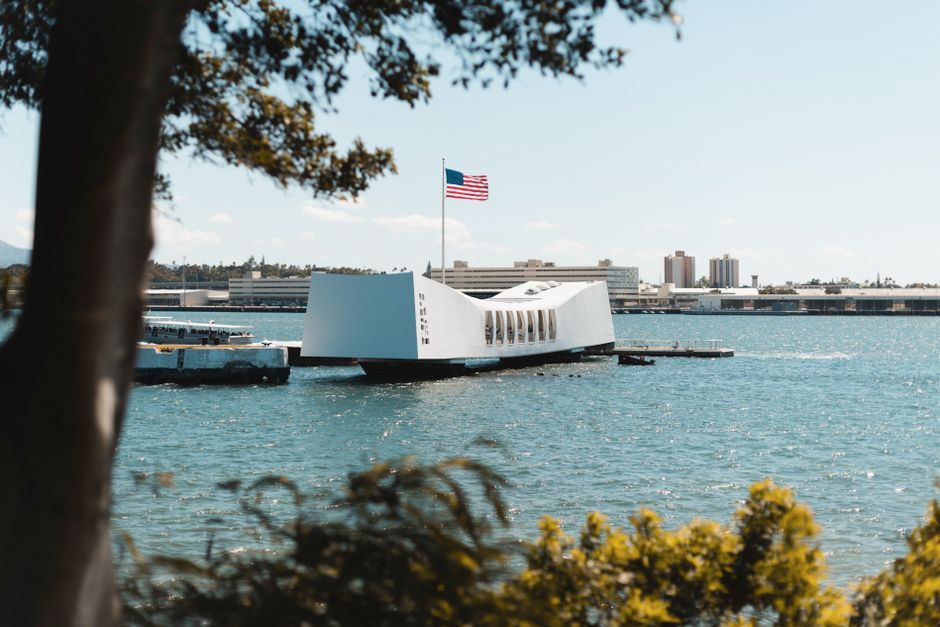
Pearl Harbor is one of the most significant historical sites in the United States. The USS Arizona Memorial sits directly above the sunken hull of the ship, which is still visible beneath the water. More than 900 crew members remain entombed there. Standing over it is unlike anything else on the island, and it stays with most visitors long after the rest of the trip has faded. The Battleship Missouri, docked a short distance away, is where Japan formally surrendered in 1945. The two ships together cover the entire arc of America's involvement in World War II in a way that no exhibit can replicate.
Tickets for the USS Arizona Memorial program sell out 56 days in advance, particularly in summer. Theprivate Pearl Harbor tours on Oahu from Oahu Private Tours include hotel pickup, expert local guides, and pre-arranged access to the key sites.
Waikiki Beach and Diamond Head
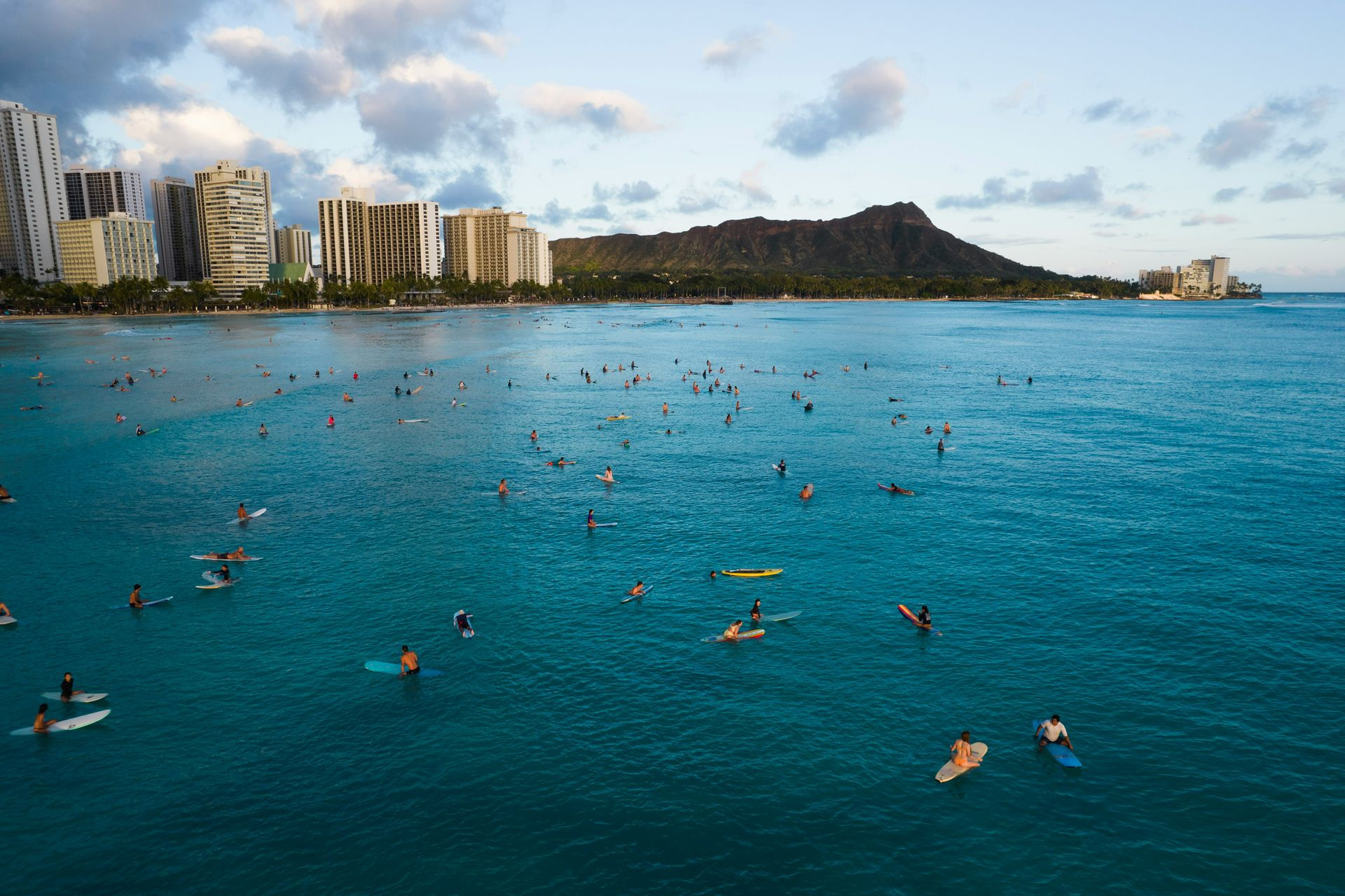
Waikiki is Oahu's most famous beach and functions as the social center of the island's south shore. It is not a remote or undiscovered beach. It is a lively, well-serviced stretch of ocean in the middle of a city, and that is precisely what makes it work for a first visit. You can take a surf lesson at 8 AM, walk to breakfast, rent a paddleboard in the afternoon, and be back at your hotel without taking a single car trip. For visitors who want the ocean without the logistics of finding it, Waikiki is exactly right.
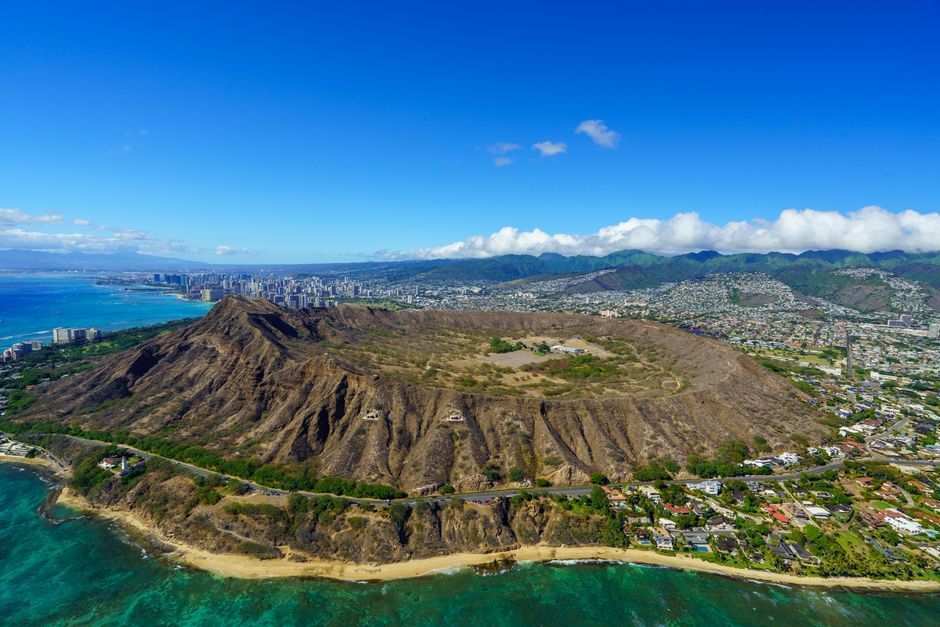
Diamond Head is a 1.6-mile round trip hike to the summit of a dormant volcanic crater with unobstructed views of the Waikiki coastline. Start before 7 AM to beat both the heat and the crowds. Entry reservations open 30 days in advance online and sell out. Book it the same day you book Pearl Harbor.
North Shore
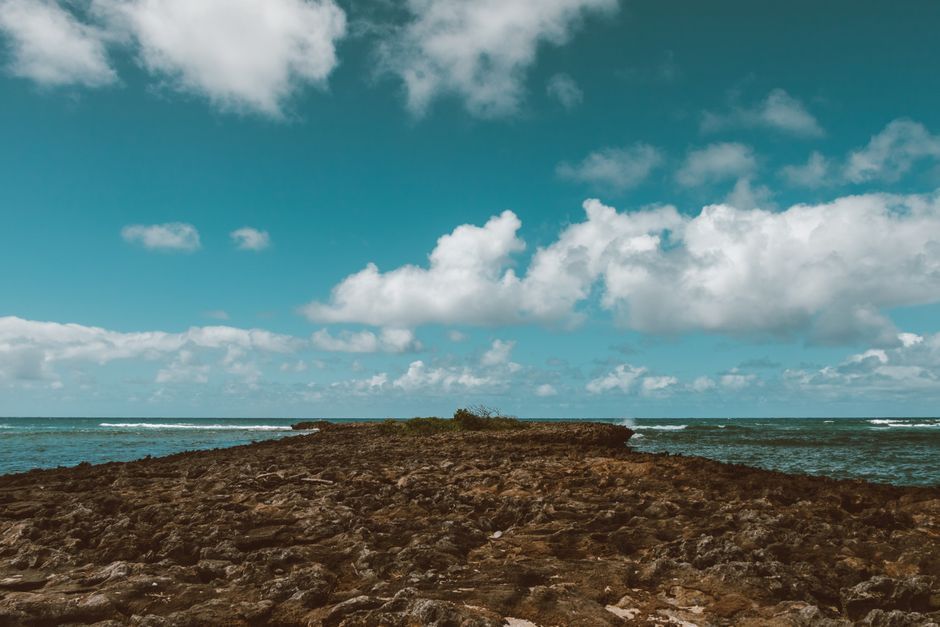
The North Shore is roughly 50 minutes from Waikiki and is worth treating as a full-day destination rather than a quick detour. The coastline here runs at a completely different register from anything in Honolulu: wider beaches, fewer hotels, and between October and February, some of the most powerful surf on the planet at breaks like Pipeline and Sunset Beach. In summer the water calms and swimming is accessible. The town of Haleiwa has shrimp trucks, shave ice, and the kind of slow pace that makes a North Shore day feel like a different island entirely.

Book Your Activities in Advance
The single most common mistake first-time Oahu visitors make is arriving without reservations and assuming they can sort things out after landing. Here are the booking windows that matter:
- USS Arizona Memorial: 56 days in advance. Summer slots sell out the day they open.
- Diamond Head: 30 days in advance online. Book it the same day you book Pearl Harbor.
- Hanauma Bay: 48 hours in advance at 7 AM Hawaii time. Slots disappear within minutes. Set an alarm.
Jet lag after a long flight slows down planning significantly. The best morning slots are often gone by the time you feel settled on day one. Lock in your key reservations before you board the plane. The best one-day Oahu tour routes post covers three different route options based on your interests and how much ground you want to cover in a single day.
Respecting Culture and the Environment
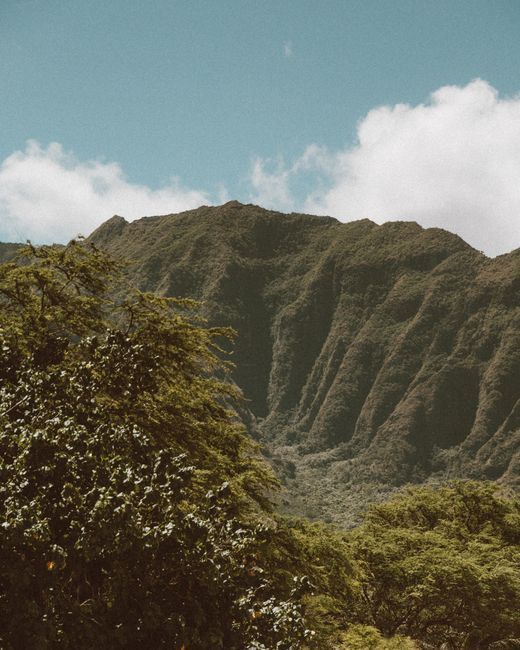
Hawaii has one of the richest indigenous cultures in the Pacific. The Hawaiian language, traditions, and relationship with the land are not historical artifacts. They are living and actively practiced. Taking time to learn something about Hawaiian history before arriving, even just reading about the 1893 overthrow of the Hawaiian Kingdom or the role of the hula in cultural preservation, makes the experience at every site more grounded and more respectful.
Three ocean safety rules that apply everywhere on Oahu and are not always posted clearly: never turn your back to the ocean, even on calm days. Rip currents are invisible from shore and kill people every year. Follow posted beach signs without exception, including closures. And if you see a Hawaiian monk seal or sea turtle resting on a beach, stay at least 50 feet away. Approaching them is illegal and harmful regardless of how approachable they look.
Ready to Explore Oahu Like a Local?
The visitors who leave Oahu most satisfied are almost never the ones who tried to do the most. They are the ones who chose a handful of experiences, booked them properly, and left enough space in the day to actually be present for them. Oahu rewards that approach. It does not reward a checklist.
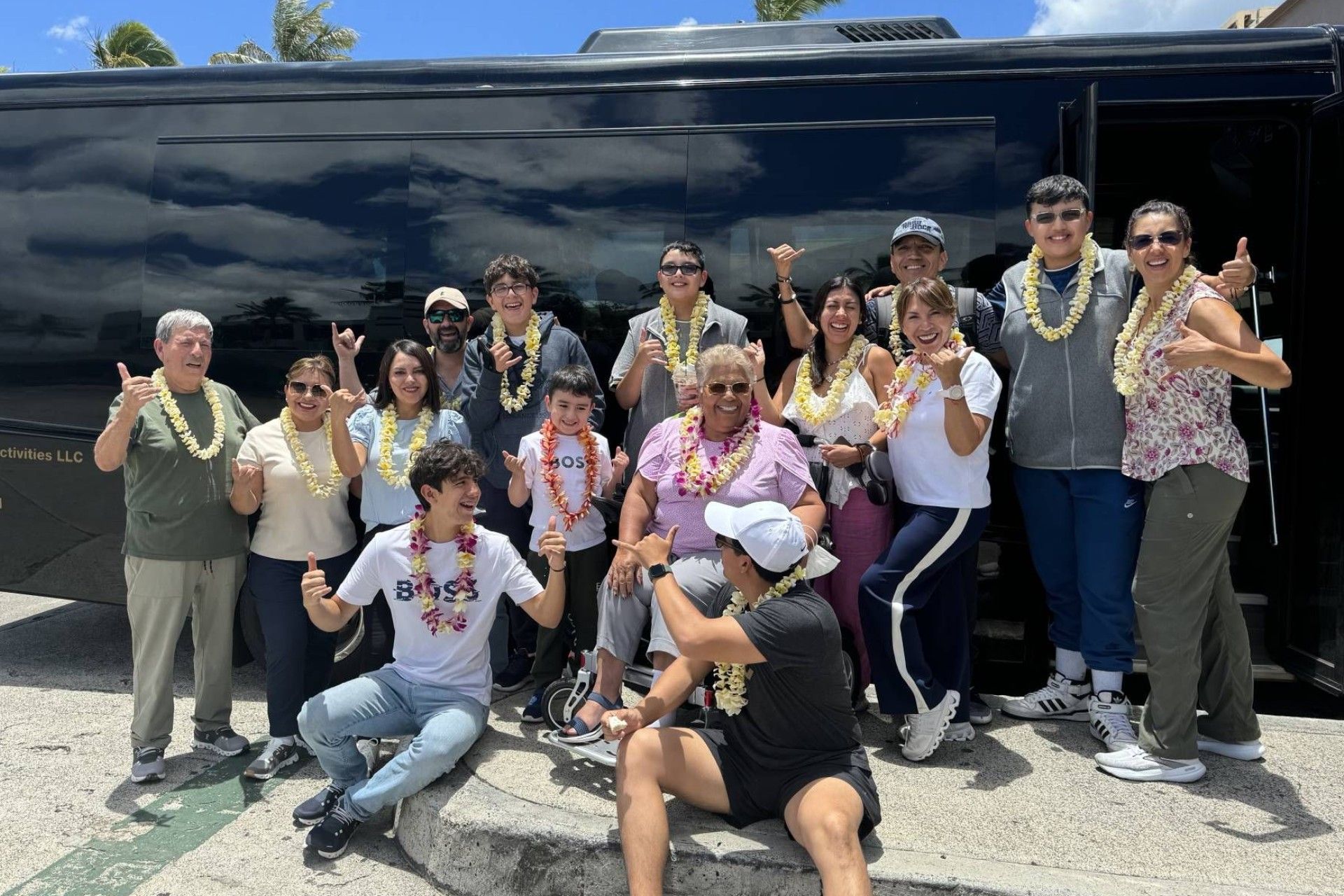
Oahu Private Tours offers private guided experiences for couples, families, and small groups who want local knowledge, comfortable transport, and a well-paced itinerary. Get in touch to plan your Oahu visit and let the team help you build the trip you came for.