PERSONALIZED HAWAII TOURS
Why Did Japan Attack Pearl Harbor and What Led to That Decision
April 20, 2026
On the morning of December 7, 1941, Japanese aircraft descended on the US naval base at Pearl Harbor in a surprise attack that killed more than 2,400 Americans and drew the United States into World War II. It was one of the most consequential military decisions of the twentieth century. It was also, in hindsight, one of the most foreseeable. The attack did not come from nowhere. It came from a decade of imperial overreach, a single economic chokehold, and a military leadership that had war-gamed its own destruction and decided to risk it anyway.
Understanding why Japan attacked Pearl Harbor requires looking at the economics, the imperial ambitions, and the series of escalating confrontations that left both nations believing they had no other path forward. This article covers all of it.

The Short Answer: It Started With Oil
The most direct answer to why Japan attacked Pearl Harbor is oil. By 1941, Japan was importing approximately 80 percent of its oil from the United States, leaving its entire military and industrial machine dependent on a single foreign supplier. When the US cut off that supply, Japan faced a choice between retreat and conflict. Japanese war planners were not being irrational. They were responding to a genuine crisis with the tools they had. The tragedy is that those tools were military ones.
Japanese war planners calculated that their existing oil reserves would last no more than 18 months under wartime conditions. With no viable domestic production and no alternative supplier capable of meeting demand, Japan concluded that seizing oil fields by force in Southeast Asia was the only path to sustaining its military and industrial capacity.
Japan's Imperial Ambitions in Asia
Japan's need for resources did not emerge suddenly. Throughout the early twentieth century, Japanese leaders pursued a vision of regional dominance modelled on the colonial empires of Western nations. The concept became formally known as the Greater East Asia Co-Prosperity Sphere, a sweeping plan to bring Southeast Asia and the Pacific under Japanese control.
The vision was hypocritical in a specific way worth naming. Japan condemned Western colonialism while replicating its exact structure under a different flag. The Co-Prosperity Sphere was not a partnership; it was an empire with Japanese economic and military interests at the center and subject nations as resource suppliers. This framework shaped every major military decision Japan made throughout the 1930s.
For more context on the history behind what you will see when you visit, the
key Pearl Harbor history facts article covers essential details about the attack and its aftermath.
Key Events That Led to the Attack
No single event caused Pearl Harbor. What led to the attack on Pearl Harbor was a chain of decisions and confrontations over several years, with Japan-US tensions before Pearl Harbor escalating at each step until peaceful resolution was effectively impossible. The three developments below are the most important links in that chain.
Japan's War in China
Japan's invasion of Manchuria in 1931 marked the start of its aggressive expansion on the Asian mainland. By 1937, Japan was engaged in a full-scale war with China, a conflict that drained resources, stretched supply lines, and generated growing alarm among Western powers, including the United States.
The war in China is often treated as a separate event from Pearl Harbor, but it is inseparable from it. Every additional territory Japan occupied in China required more oil, more steel, more material. The appetite for resources grew in direct proportion to the territory taken. This is what made the oil embargo so devastating: it targeted the engine that was driving the entire expansion.
The US Oil Embargo of 1941
Japan Pearl Harbor oil embargo explained: when Japan occupied French Indochina in July 1941, the United States responded by freezing all Japanese assets and cutting off oil exports entirely. Japan lost access to approximately 80 percent of its imported oil almost overnight, with reserves estimated to last 18 months under wartime conditions.
The embargo was not a surprise. Japan's military planners had war-gamed an oil cutoff for years. What surprised them was the totality of it. The US move was not a partial restriction or a diplomatic warning. It was a complete shutoff, and it accelerated Japan's internal timeline from deliberation to action in a matter of weeks.
The Breakdown of Diplomacy
Japan and the United States negotiated through the autumn of 1941, but the positions of both sides were irreconcilable. Japan refused to withdraw from China and Indochina. The United States refused to lift the embargo without that withdrawal. Neither side would move first.
The negotiations failed not because diplomats were incompetent, but because both governments had already decided the other's core demand was unacceptable. Japan could not withdraw from China without losing face domestically and abandoning the entire imperial project. The US could not lift the embargo without endorsing that project. The talks were a formality. Japan had approved the attack plan before the final diplomatic cables were exchanged.

Why Pearl Harbor Was Chosen
The Japan Pacific Fleet strategy in World War II centered on a single premise: the US Pacific Fleet, relocated to Pearl Harbor from California in 1940, was the primary obstacle to Japan's planned expansion into Southeast Asia. Admiral Isoroku Yamamoto believed that a single decisive strike could neutralize it before the US could mobilize fully.
Yamamoto's plan called for six aircraft carriers to position themselves 230 miles north of Oahu and launch a two-wave air strike before any war declaration was formally received. Destroying the fleet at anchor would, in theory, give Japan six months to consolidate its empire across the Pacific before America could respond effectively.
Yamamoto himself did not believe the plan would work in the long run. He had spent time in the United States, understood its industrial capacity, and reportedly told Prime Minister Tojo before the attack: 'I can run wild for six months or a year, but after that I have absolutely no confidence.' He was right about the timeline and wrong about what came after it.
Japan's Strategic Gamble
The reasons Japan attacked Pearl Harbor come down to a single strategic miscalculation: that a devastating first strike would break American morale and force a negotiated peace before the US industrial machine could be fully mobilized. Japan's military leadership understood they could not win a prolonged war. The American economy was roughly seventeen times larger, with vastly greater capacity to produce warships, aircraft, and weapons at scale.
The miscalculation was not about military capability. Japan correctly identified the US Pacific Fleet as a threat and correctly executed a complex surprise attack. The miscalculation was psychological. Japan's leaders assumed that Americans, faced with catastrophic losses, would choose negotiation over prolonged conflict. They had misread the country entirely. The attack did not demoralize the American public. It galvanized it.
What Happened on December 7, 1941
At 7:55 AM on December 7, 1941, the first wave of 183 Japanese aircraft swept over Oahu. A second wave of approximately 167 aircraft followed less than an hour later. Together, they sank or damaged 18 American warships, destroyed more than 180 aircraft, and killed 2,403 service members and civilians.
The attack lasted less than two hours. The USS Arizona, struck by an armor-piercing bomb that detonated her forward ammunition magazine, sank in under nine minutes with 1,177 of her crew aboard. That figure, 1,177 men in under nine minutes, is worth sitting with for a moment before moving on to the strategic analysis. It is the human scale inside the historical event.
Why the Attack Ultimately Failed
Japan's plan contained a critical failure from the outset. All three of the Pacific Fleet's aircraft carriers were at sea on December 7, absent from the harbor and entirely undamaged. By the 1940s, carriers had replaced battleships as the most decisive naval weapons. Japan had targeted the wrong ships.
The attack also left Pearl Harbor's fuel storage depots, dry docks, and repair facilities intact. This was not a minor oversight. Those facilities allowed the US Navy to operate from Pearl Harbor throughout the entire Pacific war. Had they been destroyed, the US fleet would have been forced back to California, adding thousands of miles to every operation in the Pacific.
Perhaps most significantly, the attack destroyed the isolationist sentiment that had kept the United States out of the conflict. Congress declared war on Japan the following day. Germany declared war on the United States days after that. Japan had set out to prevent American involvement in the Pacific. It had instead guaranteed American involvement in both theaters of World War II.
See Pearl Harbor's History for Yourself
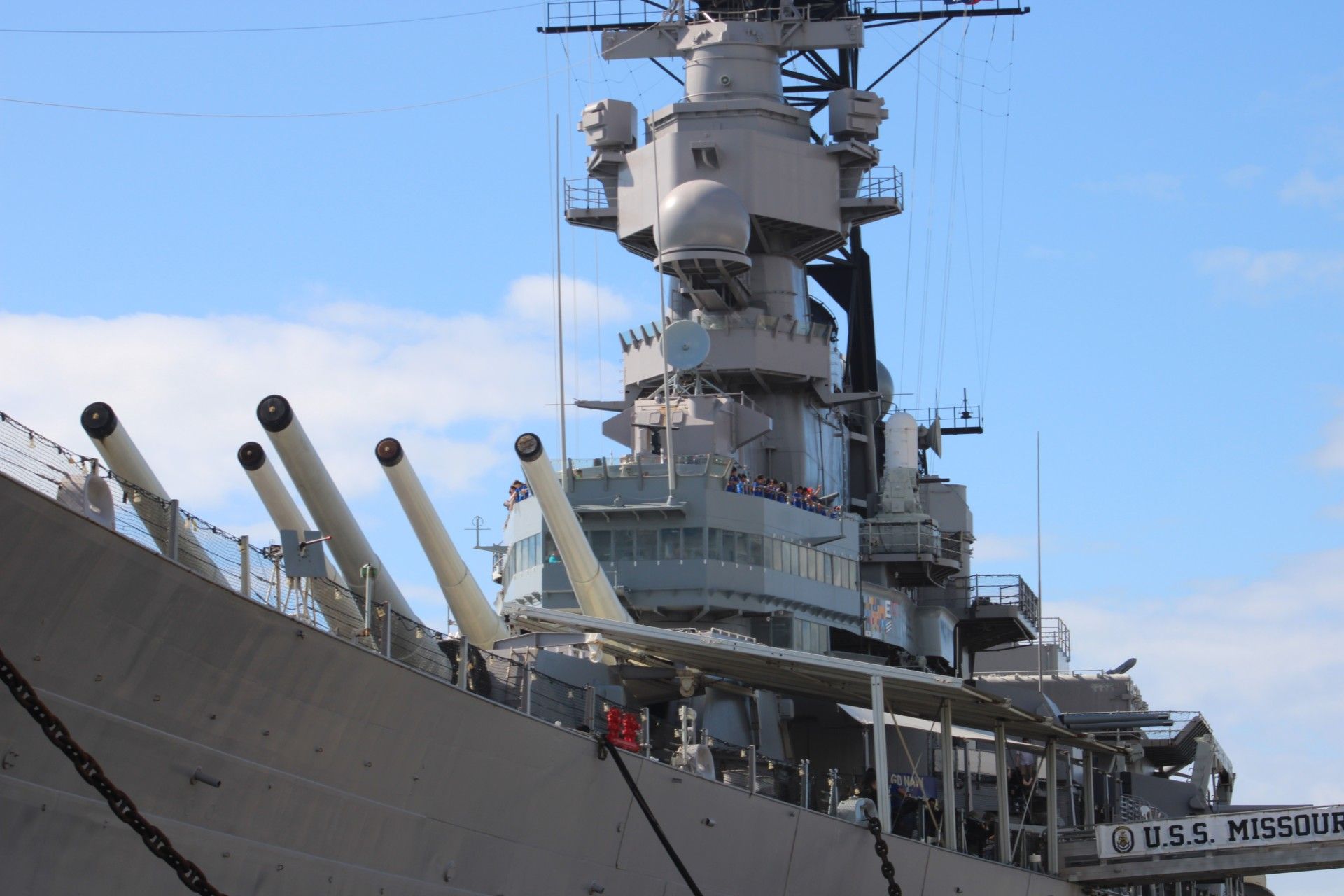
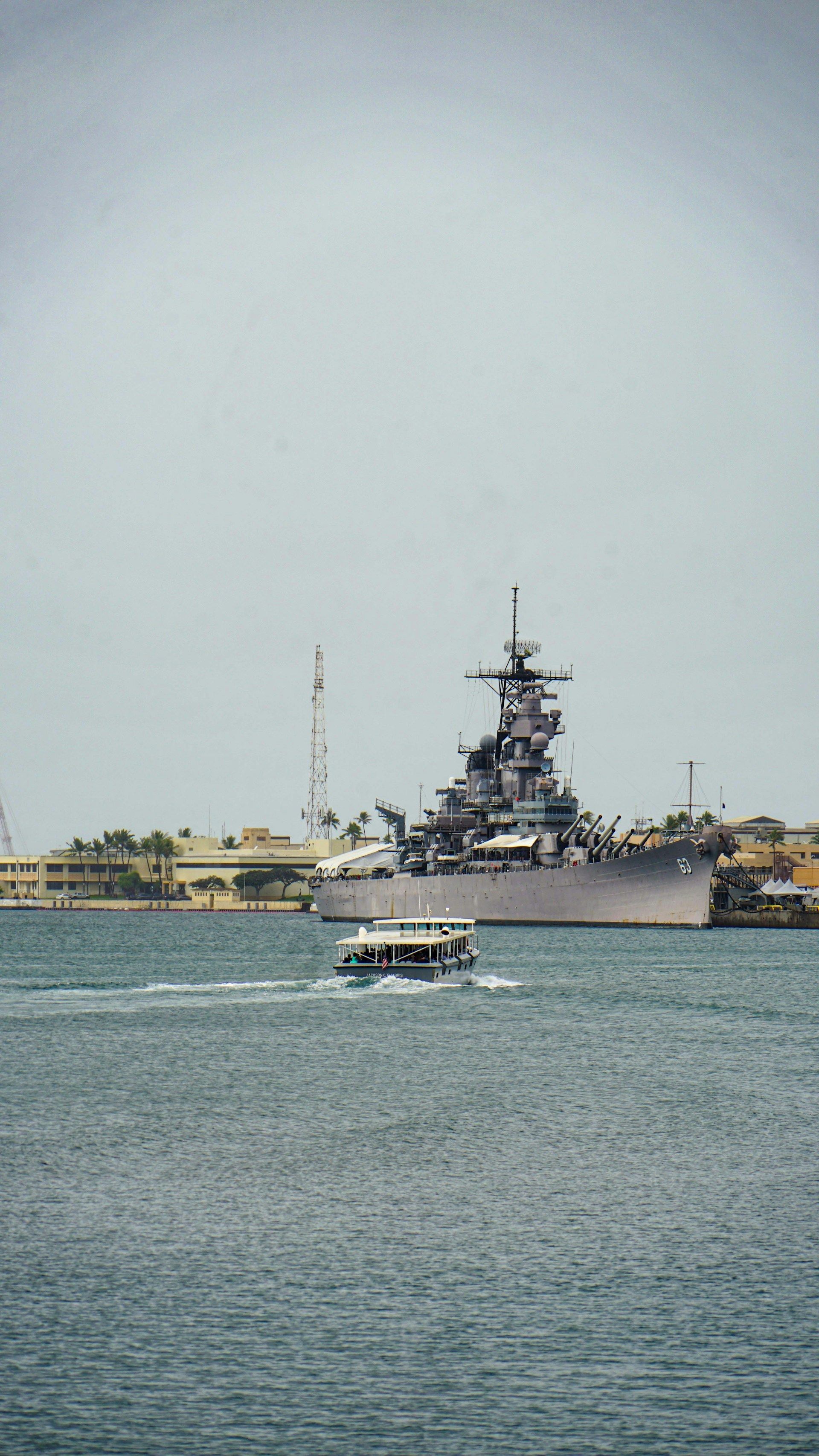
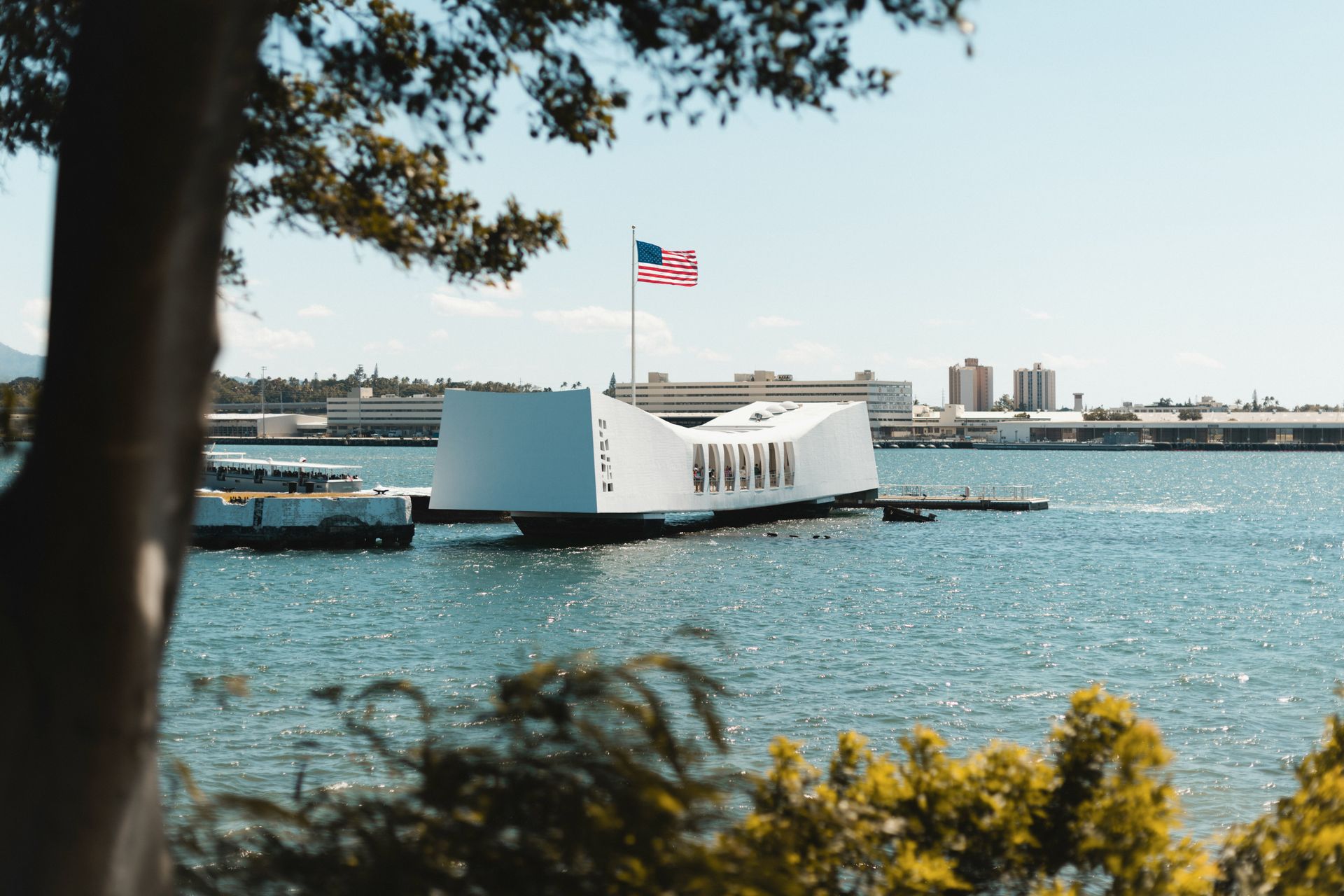
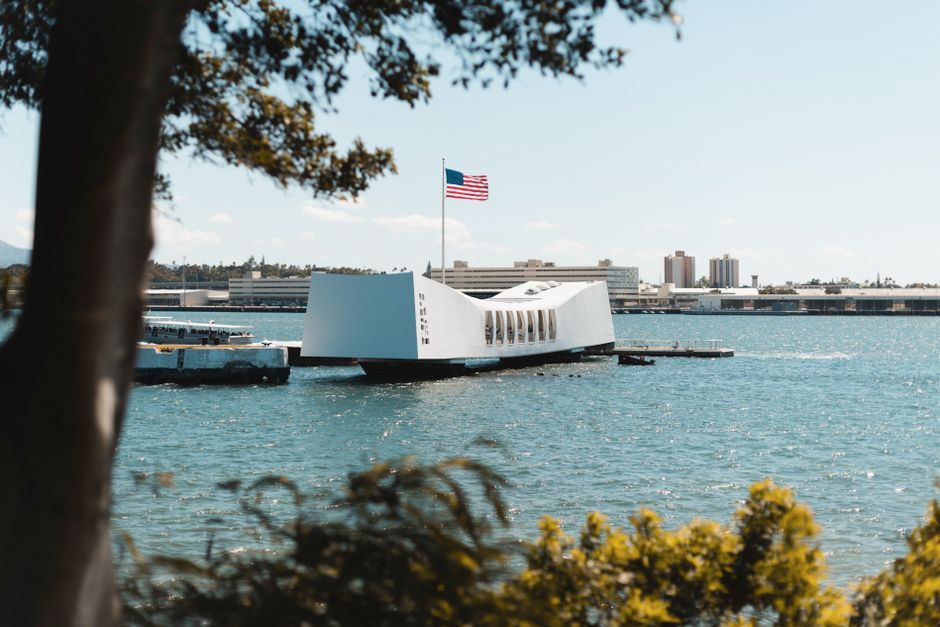
Reading about Pearl Harbor gives you the facts. Standing there gives you something harder to describe. The USS Arizona Memorial marks the resting place of more than 900 sailors who never left. The USS Missouri's Surrender Deck, just a short distance away, is where the war ended four years later. The two ships together cover the entire arc of America's involvement in World War II, from the morning it was forced in to the afternoon it ended. No museum exhibit replicates what it feels like to stand between them.
A Pearl Harbor history expert tour with Oahu Private Tours is the most meaningful way to experience that story in person. Certified local guides bring deep knowledge to every site, filling in the context that exhibits alone cannot provide. If you are ready to plan your visit, get in touch to plan your visit and let the team help you build the right itinerary for your trip.