PERSONALIZED HAWAII TOURS
Haleiwa Town on Oahu's North Shore and What Makes It Worth a Visit
April 20, 2026
This is a Haleiwa Town North Shore Oahu guide for visitors who want to understand what they are going to before they arrive, not just where it is. Haleiwa is roughly an hour from Waikiki and feels like a different island entirely. The plantation-era buildings, the surf culture, the river, the food trucks, and the absence of resort hotels all contribute to something that most first-time Oahu visitors describe afterward as the best day of their trip. That is not a claim that needs qualifying. It is what visitors consistently say.
Here is what to do in Haleiwa Oahu: the history behind the town, the activities that make it worth a full day, where to eat, and how to decide which season fits your travel style.

What Kind of Town Is Haleiwa?
Is Haleiwa North Shore worth visiting? The clearest answer is this: it is the only town on Oahu that still looks and feels like Hawaii did before the resort industry arrived. Since 1984, Haleiwa has been designated a State Historic, Cultural, and Scenic District, which means all new construction must match the architectural character of the plantation era. That regulation is the reason the town works. Without it, Haleiwa would have become another string of chain restaurants and franchise surf shops. Instead, the surf shops and acai cafes occupy the same century-old buildings that housed the workers and merchants of a sugar town. The history is structural, not decorative.
The town is small and walkable, with most shops, restaurants, and galleries concentrated along a single main street. You can park once and spend three or four hours without needing to move the car. That ease of movement is part of what makes it feel unhurried, and unhurried is the entire point of a Haleiwa day.
A Brief History of Haleiwa
The town grew from the sugar plantation industry that reshaped Oahu's North Shore in the late 1800s. The Waialua Agricultural Company, later known as Waialua Sugar, was established in 1898 and brought workers from Japan, Korea, Portugal, the Philippines, and elsewhere to the area, creating the culturally layered community that still shapes the North Shore today.
Benjamin Dillingham, who also built the railway connecting Haleiwa to Honolulu, constructed what historians consider the first luxury hotel in Hawaii in 1899, the Haleiwa Hotel. Wealthy Honolulu residents made weekend trips by train to escape the city heat. The hotel operated until 1943, when the military took it over during World War II. It fell into disrepair afterward and was never rebuilt. The name Haleiwa (pronounced hah-lay-EE-wah) was Dillingham's own, derived from the Hawaiian words for 'house of the iwa,' referring to the frigate bird common to the area. The name outlasted the hotel, the railway, and eventually the sugar industry itself. Waialua Sugar closed in 1996, the last operating sugar plantation on Oahu.
Surfing culture arrived on the North Shore in the 1970s, and within two decades had transformed Haleiwa from a fading plantation town into a globally recognized surf capital. The transformation is worth noting because it happened without erasing what came before. The surf shops moved into the plantation buildings rather than replacing them. That layering of histories is what gives Haleiwa its specific character, and it is not something you find at many places on earth.
Getting to Haleiwa from Waikiki
Haleiwa sits at least an hour from Waikiki without traffic, and about 35 minutes from Honolulu International Airport. We recommend allowing 1–1.5 hours from Waikiki to account for traffic, particularly during peak times. The most scenic route follows the H-2 freeway north through Oahu's central plateau before descending to the coast. The Haleiwa North Shore sign at the town entrance marks your arrival. A note for first-time visitors: parking in town on weekends fills quickly, and the North Shore's back roads are not always well signed. If your rental car GPS sends you down a cane haul road, you have made a wrong turn. Build in extra time or, better, leave the navigation to someone who knows the island.
A North Shore Oahu private day tour solves all of that: hotel pickup, a knowledgeable local guide, and flexible stops calibrated to your group's interests, without the need to find parking or check your phone for directions.

Things to Do in Haleiwa Hawaii
The things to do in Haleiwa Hawaii worth your time fall into three categories: the water, the cultural sites, and the town itself. Haleiwa rewards a full day rather than a quick stop. The town takes about two hours to walk properly, the river paddle adds another hour, and Waimea Valley or the Heiau above the bay deserve at least 90 minutes each. Build the day around that structure and you will not feel rushed.
Surfing and the Seven Mile Miracle
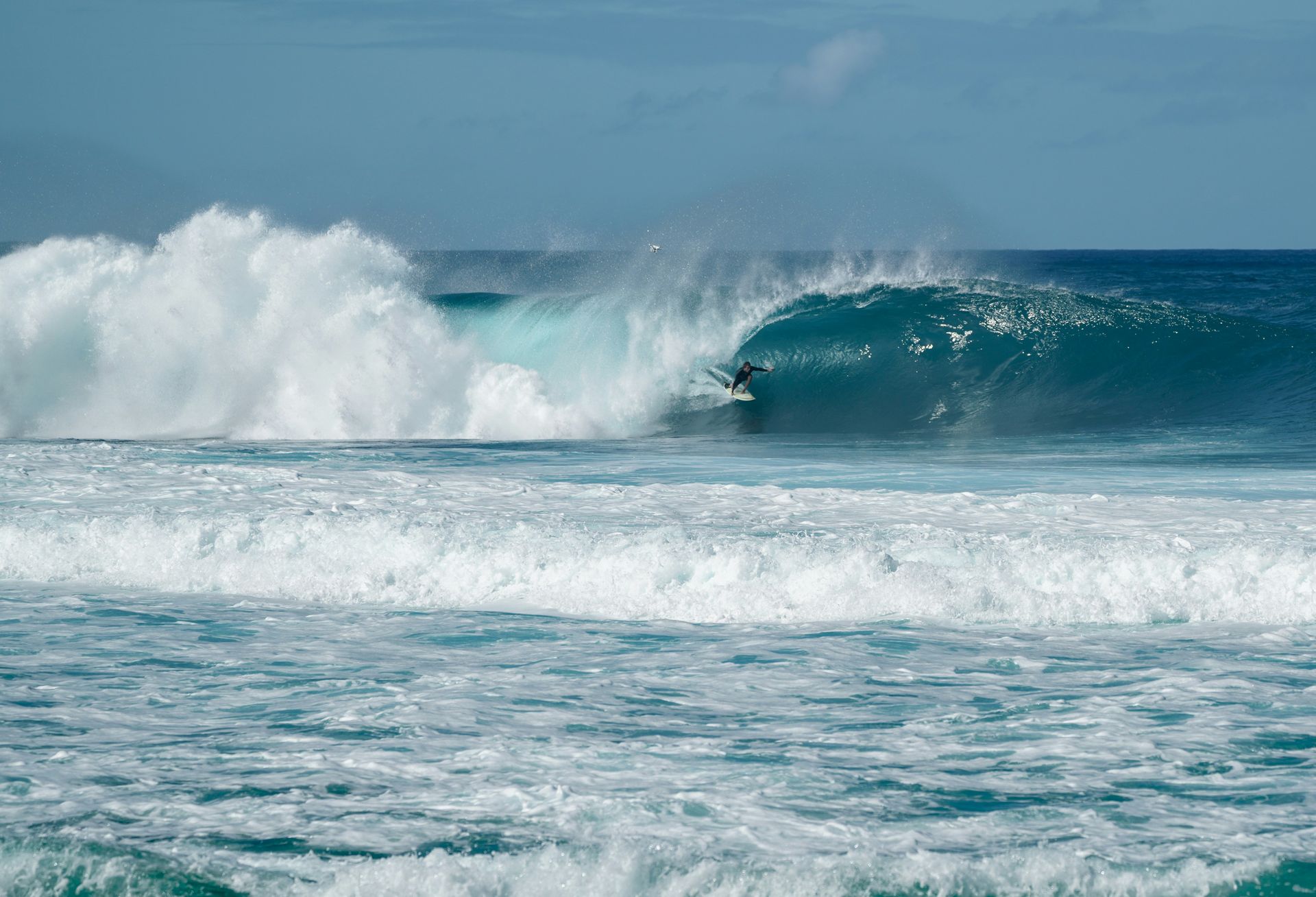
The stretch of coastline from Haleiwa up to Sunset Beach is called the Seven Mile Miracle, a name earned by the density of world-class surf breaks packed into that short distance. Pipeline, Sunset Beach, and Waimea Bay sit here, each capable of producing waves that reach 30 to 40 feet during peak winter swells between October and February.
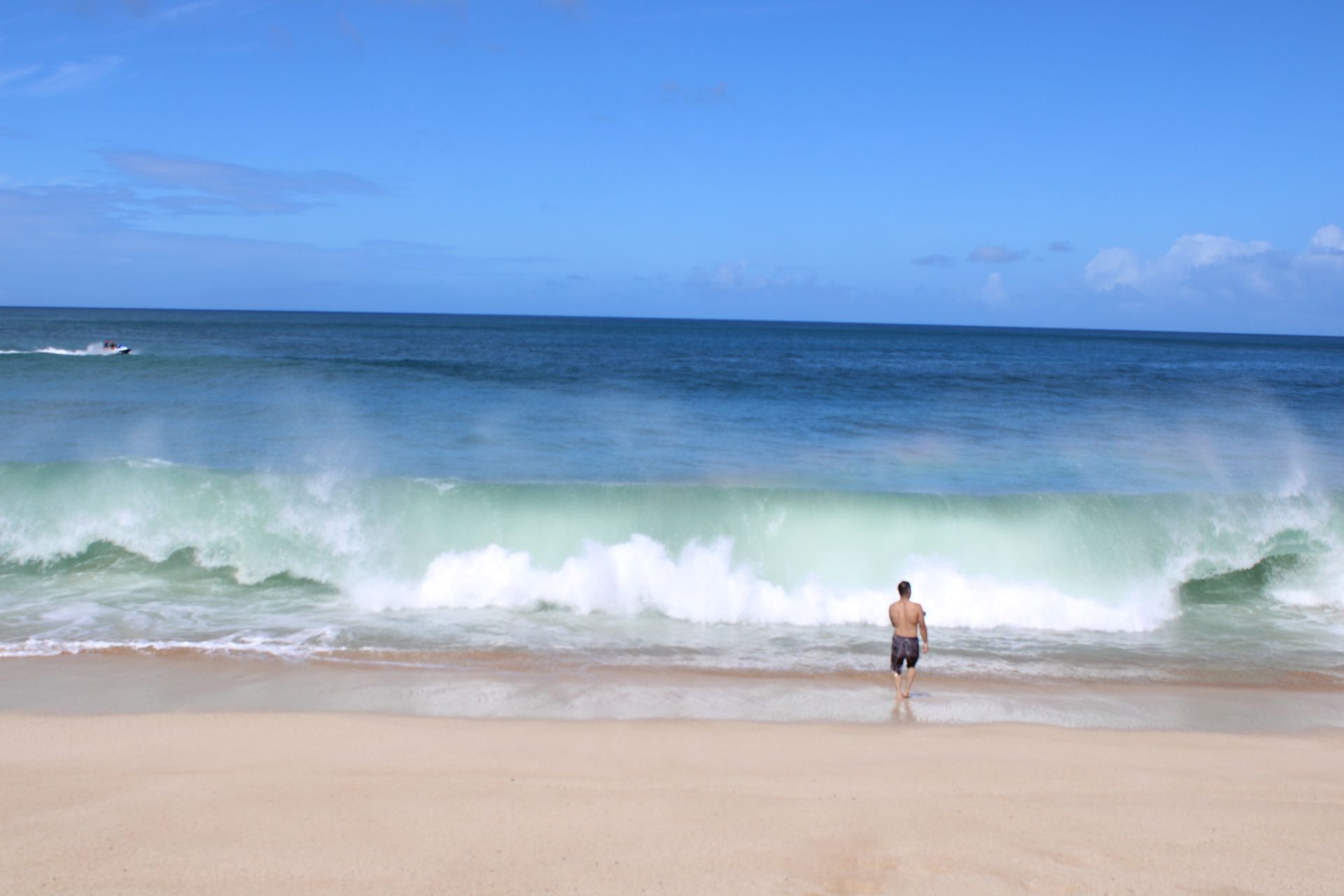
In winter, the shore draws professional surfers and thousands of spectators for events like the Eddie Aikau Big Wave Invitational at Waimea and the Vans Triple Crown of Surfing. You do not need to know anything about surfing to find the winter ocean extraordinary. Watching a 40-foot wave detonate at Pipeline from the beach is one of those experiences that resets your sense of what water can do. In summer, the same coastline flattens to two or three feet of clear turquoise water, and Waimea Bay becomes one of the best swimming beaches on the island.
Kayaking the Anahulu River
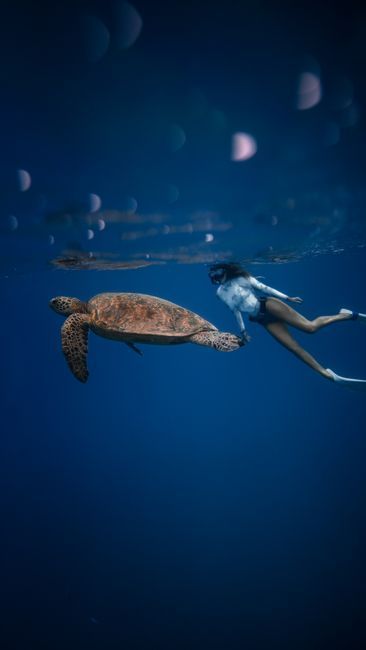
The Anahulu River, which empties into the sea at Haleiwa Harbor, is Oahu's longest stream. Paddling beneath the Rainbow Bridge at the northern end of old Haleiwa Town gives a perspective on the town you cannot get from the main street, and sea turtles are frequently spotted resting in the shallower sections. The paddle is calm and suitable for all ages. Rental operators at the harbor offer gear and brief orientations. A round trip takes about an hour, and most people linger longer. Of all the activities within Haleiwa itself, the river paddle is the most consistently underrated. Most visitors who do it say they wish they had known about it before arriving.
Waimea Valley and Cultural Sites
Waimea Valley is a place of deep historical significance to Native Hawaiians, cultivated since at least the 12th century with ancient heiau, agricultural terraces, fish shrines, and a burial complex. Today it operates as a non-profit nature park with botanical gardens covering over 1,800 acres of native and Polynesian plants, walking trails, and a 45-foot waterfall swimming hole at the far end. The walk to the waterfall takes about 20 minutes each way on a flat, well-maintained path. Bring a swimsuit. Swimming under the falls is the specific experience most people remember, and it is accessible to all fitness levels.
Puu O Mahuka Heiau, perched on the ridge above Waimea Bay, is Oahu's largest ancient Hawaiian temple. The walls and terraces are largely intact. The views across the bay from the summit are among the finest on the North Shore and justify the short drive up even for visitors with no particular interest in archaeology. Both sites deserve unhurried visits. Rushing through Waimea Valley to make a restaurant reservation is a common mistake.
Where to Eat and What to Try
Haleiwa's food scene is one of the best things to see in Haleiwa Hawaii for visitors who treat eating as part of the experience rather than a logistical problem to solve. Matsumoto's Shave Ice, which has been operating on the main street for over 70 years, is the most recognized stop in town. The shave ice here is finely textured, soaked in house-made tropical syrups, and served in portions large enough to share. Lines form early and move steadily. Go before 11 AM or after 2 PM if you want to skip the longest waits.
Beyond shave ice, the North Shore garlic shrimp trucks near Kahuku (about 15 minutes up the coast from Haleiwa) are genuinely worth the detour. Giovanni's is the most famous, a truck that has been in the same location for decades and serves shrimp so heavily garlicked that most people eat it in the parking lot rather than wait to find a table. It is one of those meals that is specific to a place and time in a way that restaurant food rarely is.

Shopping and Art in Haleiwa
Main Street Haleiwa rewards unhurried browsing. Independent surf shops, boutiques, jewellery makers, and galleries sit within a few minutes' walk of each other, and the character of each shop reflects the mix of surf culture, local craft, and artistic energy that defines the North Shore. The difference between shopping in Haleiwa and shopping in Waikiki is the difference between finding something and buying something. In Waikiki, everything is available and nothing is specific to anywhere. In Haleiwa, the shops carry things you will not find elsewhere, made by or for people who actually live on the North Shore.
The Clark Little Gallery is worth a specific mention. Clark Little spent years positioning himself inside the shore break at North Shore beaches to photograph waves from inside the barrel. The results are technically extraordinary and visually unlike anything else in travel photography. Prints are available in various formats. If you are looking for one thing to bring home from Oahu that is genuinely specific to the North Shore and cannot be replicated on a stock image site, a Clark Little print is it.
For visitors still weighing how to structure a North Shore day, the circle island vs North Shore one-day comparison breaks down both options clearly and helps you match the route to your travel style and pace.
Best Time of Year to Visit
The honest answer to when to visit Haleiwa: winter (October through February) if you want to see the North Shore at its most dramatic, summer (May through September) if you want to get in the water. Both are genuine reasons to make the trip. Neither season makes the town itself less worth visiting.
Winter brings waves that reach 20 to 40 feet at breaks like Pipeline and Waimea Bay. Temperatures are cooler, crowds are denser on competition weekends, and the ocean is off-limits to swimming at most North Shore beaches. If you are visiting in winter specifically to watch the surf, plan your timing around the Vans Triple Crown of Surfing (November to December) or check whether the Eddie Aikau has been called (it only runs when waves at Waimea reach 30 feet, which happens in most but not all years). These events draw significant crowds. Arrive early and plan to stay.
Summer offers calm water, better swimming, clearer visibility for snorkelers, and surf lessons on smaller breaks. The town is equally enjoyable in both seasons, but summer is the better choice for families with young children, beginner swimmers, or anyone who wants Waimea Bay as a swimming beach rather than a spectator sport.
Ready to Experience the North Shore?
Haleiwa Oahu first time visitor tips distilled: give it a full day, go before the weekend crowds if possible, eat at Matsumoto's before 11 AM, paddle the river, and drive up to Puu O Mahuka before you leave. Haleiwa is the place most visitors to Oahu wish they had spent more time. It is also one of the easiest to underestimate before you arrive, because nothing about its reputation prepares you for how specific and complete it feels as a place. That is the thing that is difficult to communicate about it, and the only way to understand it is to go.
Oahu Private Tours offers a North Shore private day tour that brings the whole coast to life with hotel pickup, food stops, cultural context, and a guide who has spent years on the island. If you are ready to start planning, get in touch to plan your North Shore day and the team will help you build the right experience for your group.