PERSONALIZED HAWAII TOURS
Understanding Hawaii's Historic Buildings
April 21, 2026
Hawaiian Kingdom History in Honolulu
Hawaiʻi’s history is deeply rooted in sovereignty, transformation, and resilience—and nowhere is that story more visible than in the landmarks of downtown Honolulu. Within just a few blocks, you can walk through centuries of Hawaiian Kingdom history, from its unification to its overthrow and beyond.
The Rise of the Hawaiian Kingdom
The story begins with King Kamehameha I, the aliʻi (chief) who united the Hawaiian Islands in 1810 after years of conflict. His leadership established the Hawaiian Kingdom as a recognized and independent nation, complete with its own government, laws, and international diplomacy.
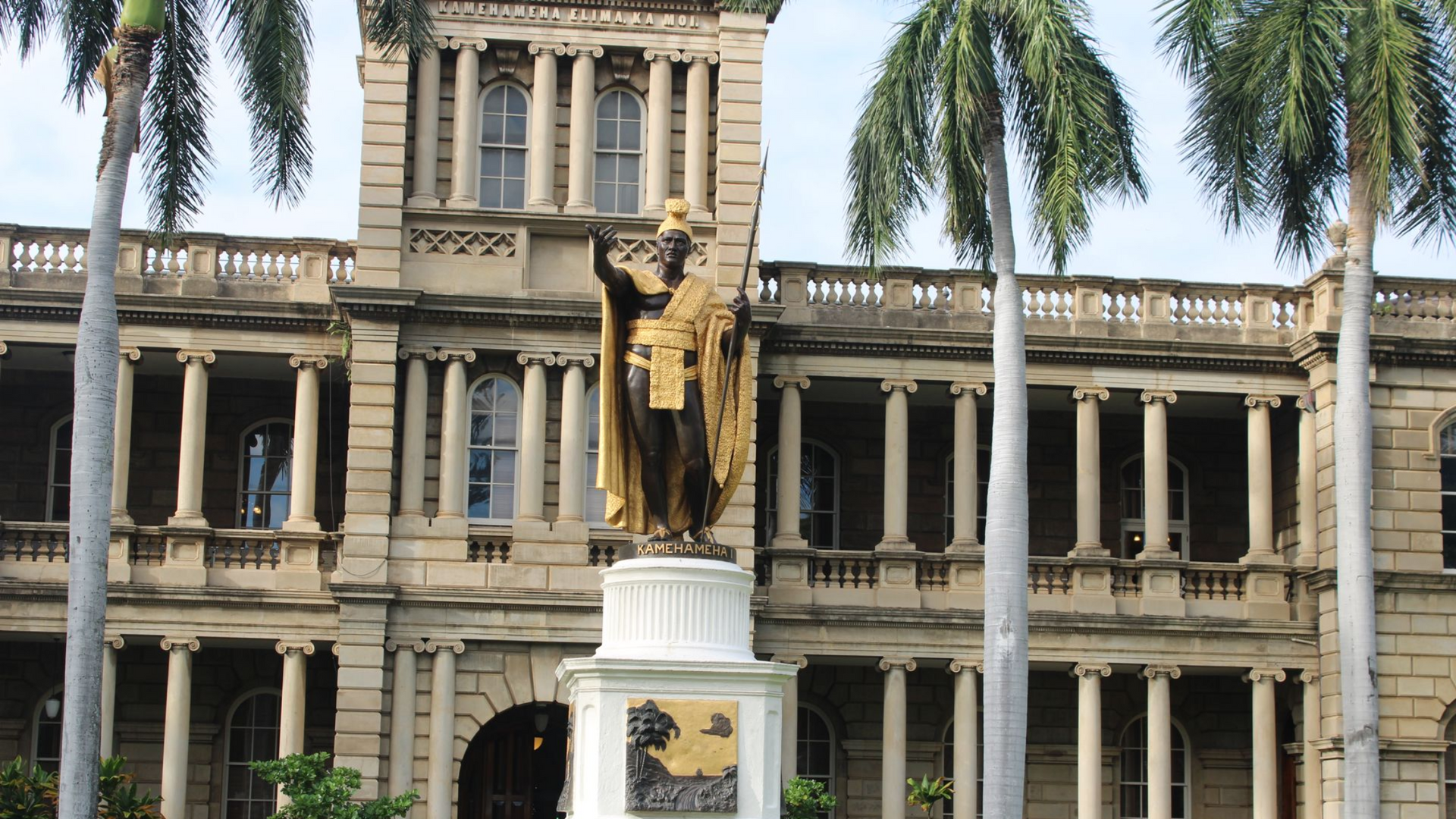
Today, his legacy is honored in front of Aliʻiōlani Hale, where the iconic King Kamehameha Statue stands. Draped in gold and often adorned with fresh lei, the statue symbolizes strength, unity, and the foundation of the Hawaiian Kingdom. It’s a powerful place to begin understanding Hawaiʻi’s royal past.
ʻIolani Palace: A Royal Residence
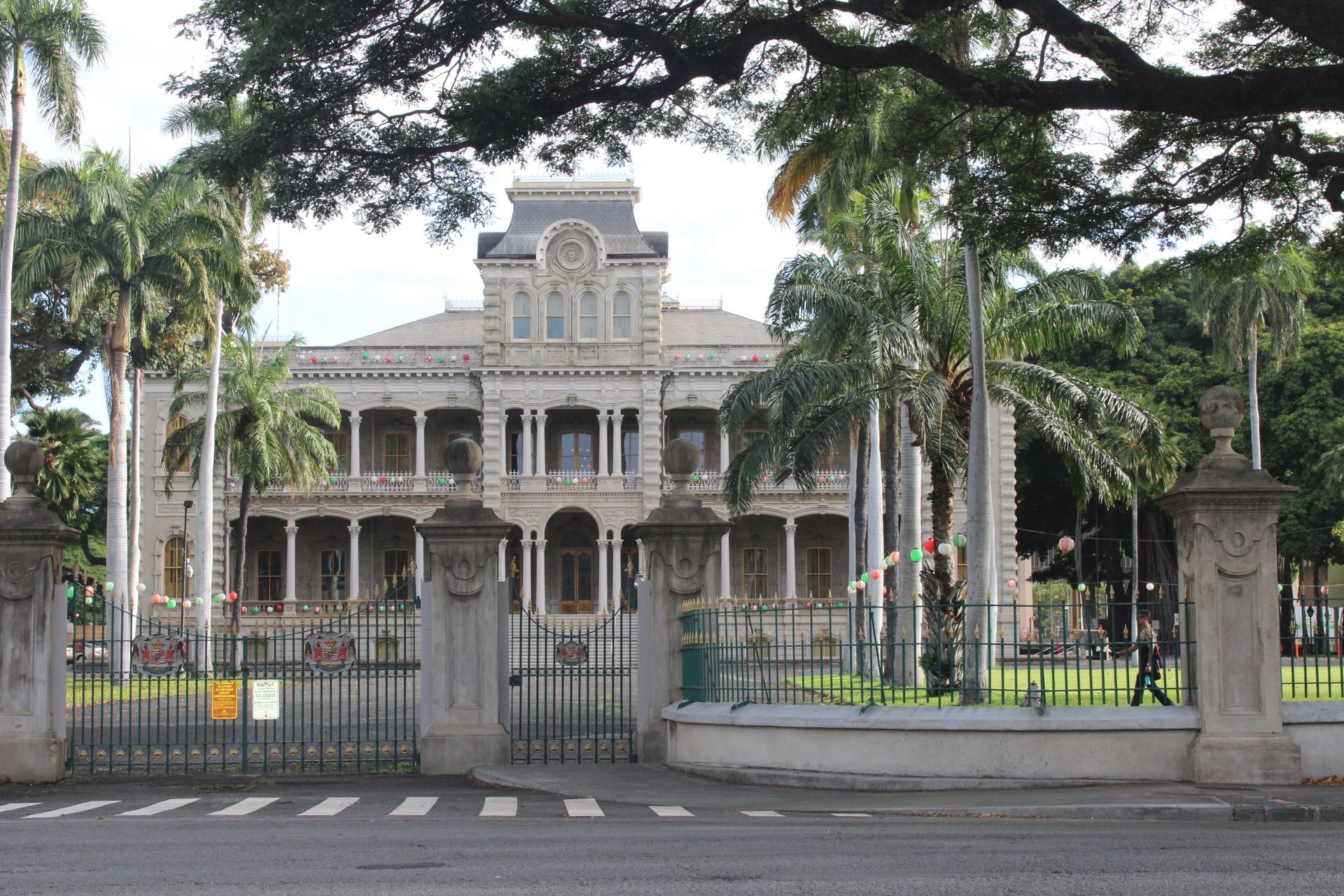
Just across the street sits ʻIolani Palace, the only official royal palace in the United States. Completed in 1882 under King Kalākaua, the palace represented a modern and forward-thinking kingdom. It even had electricity before the White House.
ʻIolani Palace wasn’t just a home—it was the political and cultural heart of the Hawaiian Kingdom. Monarchs like Queen Liliʻuokalani ruled from here, navigating a rapidly changing world as foreign influence in the islands grew stronger.
The Overthrow and the Territorial Era
In 1893, the Hawaiian Kingdom faced a turning point. A group of American and European businessmen, backed by U.S. military forces, overthrew Queen Liliʻuokalani. The monarchy was abolished, and Hawaiʻi was eventually annexed by the United States in 1898.
After the overthrow, ʻIolani Palace was repurposed as a government building, marking a dramatic shift in its role. Nearby, the Territorial Building represents the next chapter in Hawaiʻi’s political evolution. Built in 1926, the building was used to govern Hawaiʻi during its time as a U.S. territory until its 1959 statehood.
This era reshaped Hawaiʻi’s identity, blending its rich indigenous culture with growing American influence.
A Walk Through Living History
Today, visiting these landmarks offers more than just sightseeing—it’s a chance to connect with Hawaiʻi’s past on a deeper level. From the unification under King Kamehameha I, to the grandeur of ʻIolani Palace, to the political changes symbolized by the Territorial Government, each site tells a piece of a larger story.
And the best part? You don’t have to piece it all together on your own.
On our
private Oahu tours, we bring you to each of these historic sites, sharing the stories, context, and cultural significance that turn a simple visit into a meaningful experience. It’s more than just seeing Hawaiʻi—it’s understanding it.