PERSONALIZED HAWAII TOURS
Why the Waimea Valley Botanical Garden Is Truly Worth Visiting
Oahu Private Tours • August 28, 2026
Waimea Bay is free. So is Sunset Beach, and so is every stretch of sand along the North Shore. Then you reach a gate asking twenty-six dollars a head, and the obvious question arrives before you have even parked the car.
So is Waimea Valley worth visiting? This is an honest accounting of what sits behind that gate, covering the botanical collections, the cultural sites, the waterfall and the swim rules, the real cost, and how long you actually need to make it pay off.
What Waimea Valley Actually Is
The confusion starts with the name. Most visitors picture a waterfall park, but this single property is doing three jobs at once. It is a world-class botanical garden, an active archaeological and cultural site, and yes, a waterfall you can swim beneath.
All of that spreads across 1,875 acres in Haleiwa, directly opposite Waimea Bay on Kamehameha Highway. The land is held by Hiipaka LLC, a non-profit, which is why your ticket funds trail upkeep, plant conservation and cultural programming rather than a shareholder.
The Valley of the Priests
Waimea earned the name Valley of the Priests around 1090, when the ruler of Oahu awarded the land to the kahuna nui, the island's highest priest. Their descendants lived here and cared for the valley until 1886, roughly eight centuries of continuous stewardship.
Two Hawaiian words explain why it feels different. An ahupuaa is a land division running from mountain to sea, and Waimea is one of Oahu's last partially intact examples. A puuhonua is a place of refuge, which is how the stewards still describe it today.
Inside the Botanical Gardens
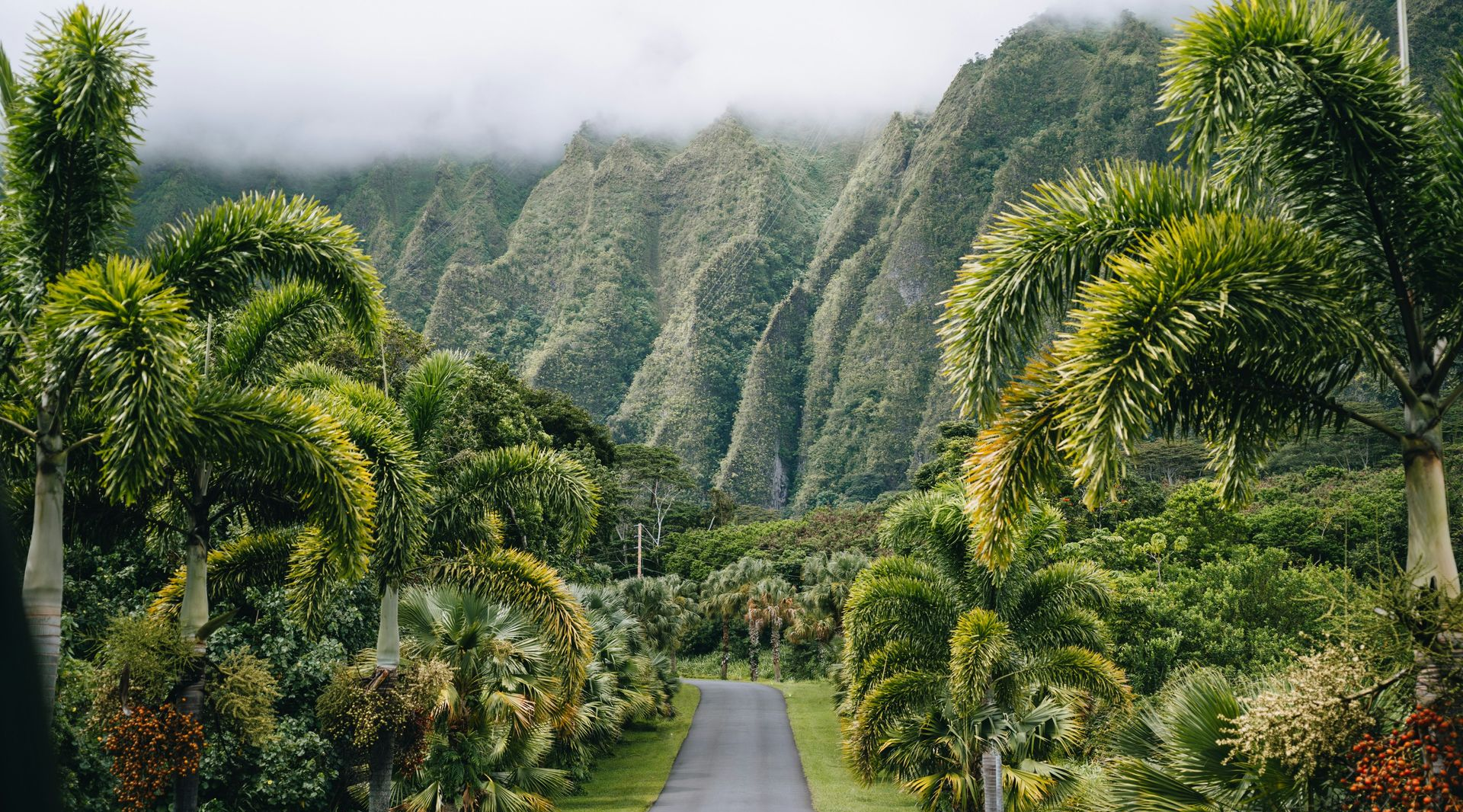
The gardens are the part almost everyone underestimates. The Waimea Valley botanical garden on Oahu holds over fifty plant collections across sixty themed gardens, more than three thousand species from around 930 genera, and carries Level III arboretum accreditation from ArbNet.
Native and Endangered Hawaiian Plants
Around 120 native Hawaiian species grow here, alongside roughly 280 threatened or endangered plants. Some survive in very few places outside conservation collections like this one, including both endangered subspecies of the yellow hibiscus that serves as Hawaii's state flower.
Global Tropical Plant Collections
Other gardens draw from tropical and subtropical regions worldwide, including Madagascar, the Seychelles, Sri Lanka, Fiji and the Ogasawara Islands. Every plant carries its own label, so self-guided visitors still learn as they walk, and red signs flag the endangered ones.
Free Daily Botanical Tour
A guided botanical walk leaves daily at 12:30 pm from beside the ticket booth, included in admission at no extra cost. Staff point out what is flowering that week, which turns a pleasant stroll into something genuinely informative. It is the easiest value on the property.
Walking the Paved Waterfall Trail
This is a stroll, not a hike. The paved path runs three quarters of a mile each way on a gentle grade, about thirty minutes at an unhurried pace, with benches and shaded rest areas throughout. Our North Shore tours build it in comfortably.
Swimming at Waimea Falls
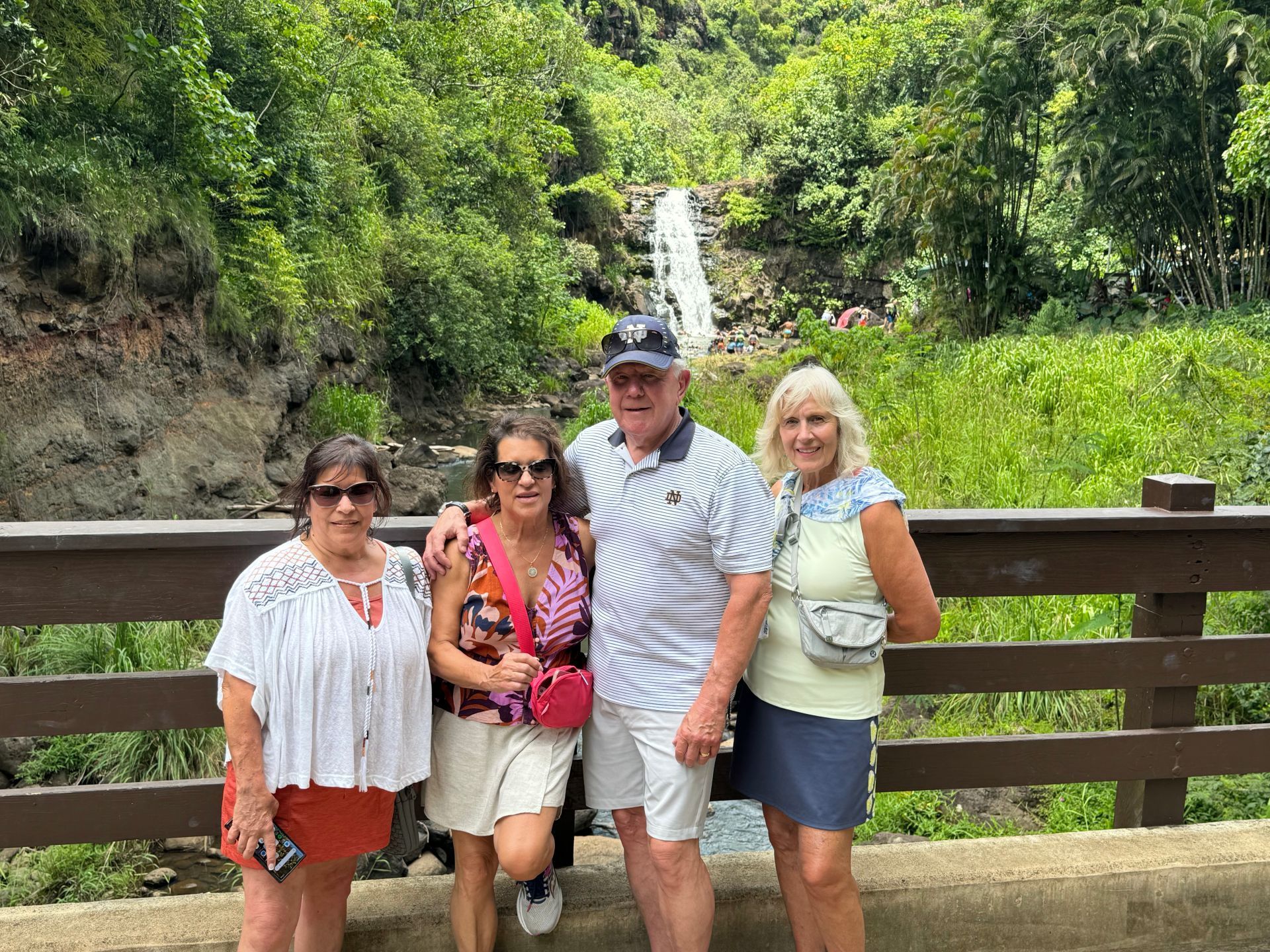
Swimming at Waimea Falls on Oahu depends entirely on the day. The falls are rain fed from the Koolau watershed, so flow rises after storms and thins during dry spells. Lifeguards make the swim call each morning at 9:00, and conditions can change afterward.
When swimming is open, life jackets are mandatory and provided free in all sizes. Changing rooms and showers sit near the pool, and the rocks underfoot are jagged, so water shoes matter. Jumping from or climbing the rocks is not permitted at any time.
Cultural Sites Along the Path
Much of what to see at Waimea Valley sits quietly beside the path, easy to walk past without a second look. Four sites in particular reward slowing down, and each one carries a specific purpose in the life of the valley.
- Hale O Lono: a heiau dedicated to Lono, god of agriculture and rain, built around 1470.
- Kuula Shrine: a stone koa where fishermen offered the first or best catch of the day.
- Kauhale Kahiko: a traditional living site, rebuilt using original materials and techniques.
- Loi terraces: irrigated terraces for kalo, worked by hand with an oo digging stick.
These are not ruins on display. Hale O Lono is still used by practitioners today, which is why staying on marked paths matters, and why visitors are asked not to leave offerings, stack stones or climb on any structure they pass.
Tickets, Hours and Prices
General admission runs twenty-six dollars for adults, with meaningful reductions for seniors, students and children. Hawaii residents and military personnel pay far less, which is worth knowing if anyone in your group qualifies and can produce a valid identification card.
- Adult: $26 general, $10 kamaaina or military.
- Senior, 62 and over: $20 general, $8 kamaaina or military.
- Student with ID: $20 general, $8 kamaaina or military.
- Child, ages 4 to 12: $18 general, $6 kamaaina or military.
- Group rate, 10 adults: $22 general, $8 kamaaina or military.
- Shuttle: $10 one way, $20 round trip.
Current hours run 9:00 am to 5:00 pm daily, though they shift seasonally, so check before a long drive north. Walk-ins are accepted and advance booking is not required, which makes the valley a useful backup when surf closes a beach plan.
How Long to Spend
How long to spend at Waimea Valley is the question that decides whether the ticket feels fair. The operator suggests two and a half to four hours, and that matches reality. An hour buys you the walk and nothing else, which is poor value.
- Botanical gardens at a browsing pace: 1 to 1.5 hours.
- Self-guided cultural circuit: 1.5 to 2.5 hours.
- Guided cultural or sunrise tour: 1 to 2 hours.
- A swim, including changing and drying off: add 45 minutes to 1 hour.
Best Time to Visit
The best time to visit Waimea Valley is soon after the gates open. Air is cooler on the exposed stretches, the path is quiet before the tour vans arrive, and morning light through the canopy is far kinder than the flat glare of midday.
Recent rainfall matters more than the season. A wet week gives you a surging waterfall, while a long dry stretch leaves a thin trickle and can close swimming entirely. Call ahead on the morning you plan to go rather than guessing from the forecast.
What to Bring and Wear
Packing for the valley takes two minutes, but a few items decide whether the visit is comfortable or slightly miserable. Shade is inconsistent, the rocks at the pool are sharp, and North Shore weather can turn over from sunshine to drizzle without much warning.
- Comfortable walking shoes for the paved path.
- Water shoes for the slippery, jagged rocks at the pool.
- A swimsuit and towel, packed whether or not swimming is open.
- A refillable bottle, since the walk is longer than it looks.
- Reef safe sunscreen and a hat for the open stretches.
- A light rain jacket, because showers pass through quickly.
- Cash for the shuttle and the resident artisans.
Accessibility and Family Access
The main path is fully paved and wheelchair accessible from the entrance all the way to the waterfall, with accessible restrooms on site and shaded benches spaced along the route. A shuttle runs the same stretch for ten dollars each way per person.
One limit is worth stating plainly, because the waterfall pool itself is not wheelchair accessible. Families do well with Kaapuni O Waimea, a self-guided cultural circuit where children collect stamps at three sites and earn a Hookipa Ambassador pin at the end.
Nearby North Shore Stops
The valley sits in the middle of the North Shore's best cluster of stops, which is what turns the drive north into a full day rather than a single errand. Our comparison of circle island versus North Shore days helps you pick a shape.
- Waimea Bay (directly opposite): summer swimming and winter surf watching.
- Puu o Mahuka Heiau (five minutes uphill): Oahu's largest heiau, overlooking the valley.
- Sharks Cove (under a mile north): summer snorkeling on a protected reef.
- Haleiwa town (fifteen minutes south): shave ice, galleries and lunch.
Visiting Waimea Valley With a Guide
Signage can tell you a heiau was built around 1470. It cannot tell you why Lono presided over the rainy season, or how the Makahiki offerings moved through an ahupuaa, which is the context that makes these stones land differently.
A guide also arrives already knowing the day's swim status and how full the lot is, so the morning is not spent finding out. Our circle island private experience folds the valley into a wider route with hotel pickup included.
Ready to See Waimea Valley With Us?
So the honest answer is yes, provided you give it the time. Twenty-six dollars for a rushed hour is a poor trade. The same ticket across a slow half day buys gardens, eight centuries of history, and a waterfall at the end of it.
The valley rewards people who are not watching a clock, which is easier when someone else is driving. Get in touch and we will build Waimea Valley into a private North Shore day paced the way you actually want to travel.