PERSONALIZED HAWAII TOURS

What Does Tora Tora Tora Mean?

May 19, 2025

A black and white silhouette of a wave on a white background.

And what it has to do with one of the most unforgettable moments in American history

If you’ve watched a World War II documentary or seen the classic film Tora! Tora! Tora!, you’ve probably heard that phrase shouted right before Japanese planes appear over Pearl Harbor. It’s dramatic and intense, but what does Tora! Tora! Tora! actually mean?


This quick little phrase carries a huge historical punch. It was used during the real-life attack on Pearl Harbor and became the title of a famous movie decades later. Today, it still sparks curiosity for travelers visiting Oahu and exploring the place where it all happened.


Let’s look at what the phrase meant on the day of the attack, how it was used in the film, and why it still shows up in conversations about Pearl Harbor.

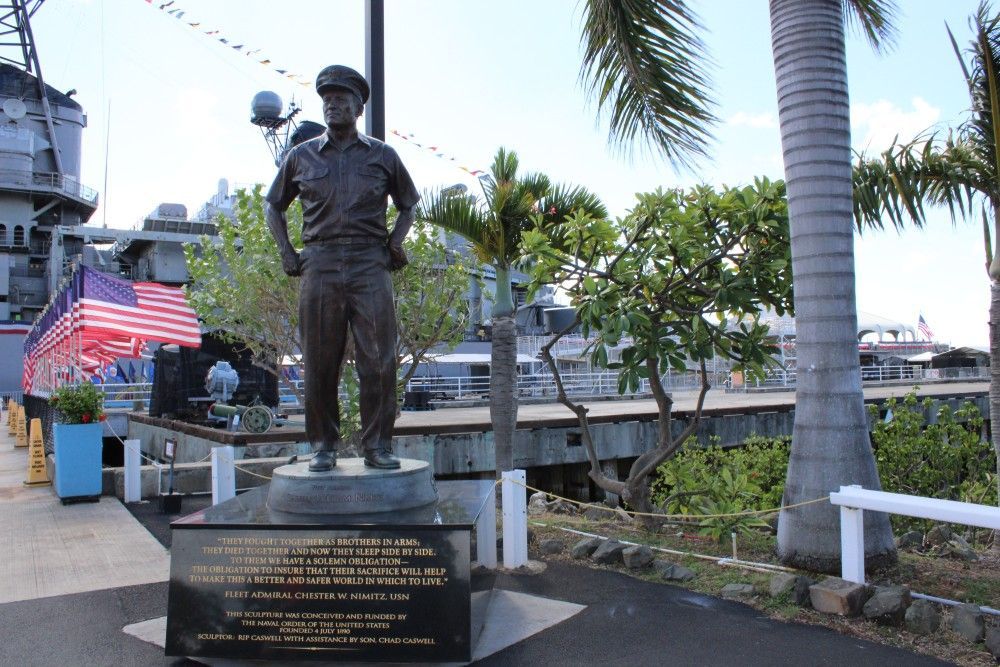
Statue of a soldier

So, what does Tora Tora Tora mean?

In Japanese, the word tora means “tiger.” But during the attack on Pearl Harbor, it wasn’t a reference to the animal. It was actually a code word sent out by the lead Japanese pilot, Commander Mitsuo Fuchida.


When he shouted “Tora! Tora! Tora!” over the radio, it was a signal back to the fleet. It meant the attack had achieved total surprise. That message confirmed to Japanese forces that the American military at Pearl Harbor had no idea what was coming.


The phrase was built from two parts:


  • “To” came from totsugeki, meaning “charge” or “attack”
  • “Ra” came from raigeki, meaning “torpedo attack”


Put them together and you get Tora, a shorthand way of saying, “We’re in, they didn’t see us coming, and the attack is underway.”

Why it mattered so much

The reason Tora! Tora! Tora! stands out in history is because it marked the moment everything changed. The surprise attack on December 7, 1941, lasted about 90 minutes. In that short time, more than 2,400 Americans lost their lives, battleships were sunk or damaged, and the United States was pushed into World War II.


That one phrase, sent out over the radio waves, confirmed that the mission had caught the U.S. Navy completely off guard. It’s one of the most well-known military code words in modern history.

The making of the Tora Tora Tora film

In 1970, filmmakers released Tora! Tora! Tora!, a dramatic retelling of the events leading up to the attack on Pearl Harbor. What made the movie different from others at the time was that it showed both the American and Japanese sides of the story.


The making of the Tora Tora Tora film was a huge project. It was a rare collaboration between American and Japanese directors. Richard Fleischer handled the American perspective, while Kinji Fukasaku and Toshio Masuda worked on the Japanese scenes. The goal was to tell the story fairly and accurately.


The film used real planes, built full-scale models, and avoided flashy Hollywood tricks. Back then, there was no digital editing or CGI. What you see on screen was physically built, flown, or filmed. It helped create a more realistic picture of what happened that morning.


Even though it didn’t explode at the box office, the movie became a favorite for history lovers and teachers. For many people, Tora! Tora! Tora! was the first time they saw how both sides prepared for and experienced the events of that day.

You can visit the real places today

The best way to understand the impact of that phrase is to visit Pearl Harbor yourself. There’s something powerful about standing on the ground where it all happened, seeing the ships, and hearing the stories told by real local guides.


With a Pearl Harbor Full Experience Tour, you can explore the entire site. That includes the USS Arizona Memorial, Battleship Missouri, Bowfin Submarine Museum, and the Pearl Harbor Aviation Museum. It’s a full day, but worth every minute.


If you’re short on time, the USS Arizona Memorial and Missouri Tour is a great option too. It includes a scenic drive through Punchbowl National Cemetery, which adds a peaceful and reflective moment to the day.

Why this history still matters

Understanding what Tora! Tora! Tora! means helps put the events of December 7 into perspective. It’s not just a dramatic line in a movie. It was a real message sent during a real attack that shaped the future of the world.


When you visit Pearl Harbor, you’re not just looking at old ships or dusty artifacts. You’re stepping into a moment that changed everything. The people, the bravery, the heartbreak — it’s all still there, waiting to be remembered.

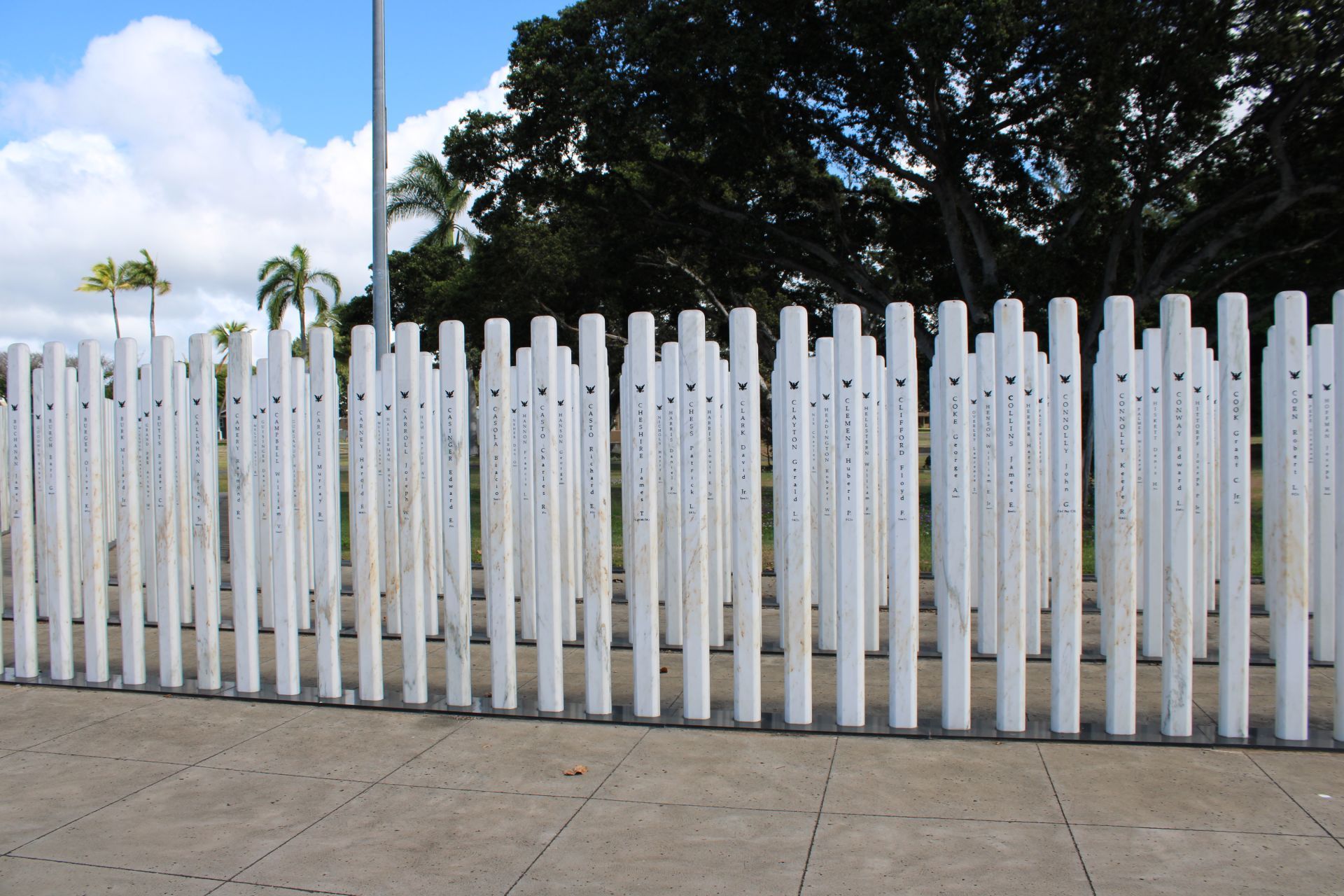
USS Oklahoma Memorial

Ready to explore Pearl Harbor for yourself?

We’ve helped people from all over the world experience Pearl Harbor in a personal, respectful, and meaningful way. No tour buses. No rushed stops. Just real stories, shared by local guides who care about the history and the people behind it. You can also check our Google Business Profile to see what others say about us!


👉 Check out our private Pearl Harbor tours now


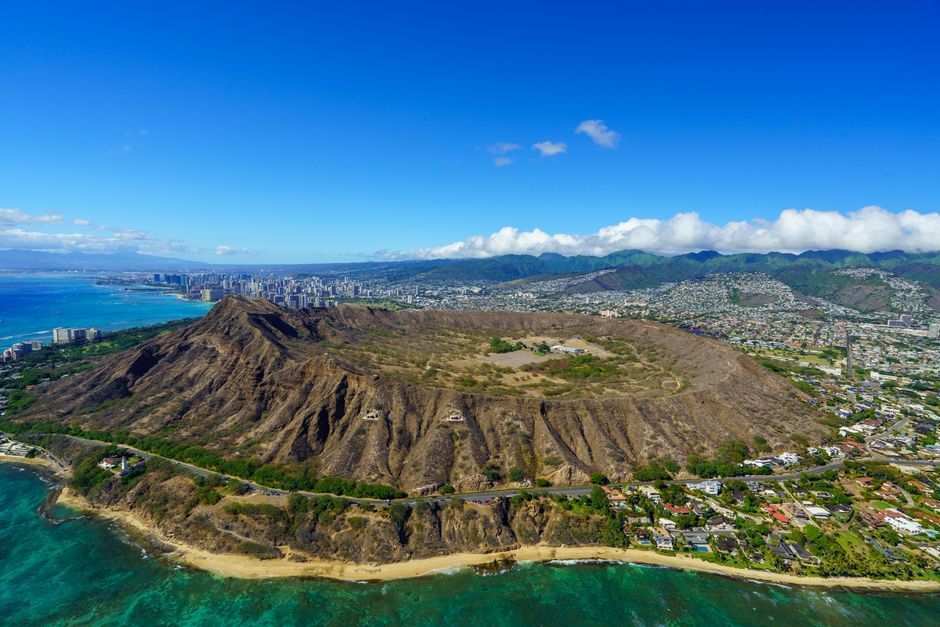
Aerial view of Waikiki Beach and Diamond Head in Honolulu
By Oahu Private Tours July 4, 2026
A practical guide to family activities in Honolulu, from calm beaches and easy hikes to animal encounters and hands-on cultural stops for all ages.
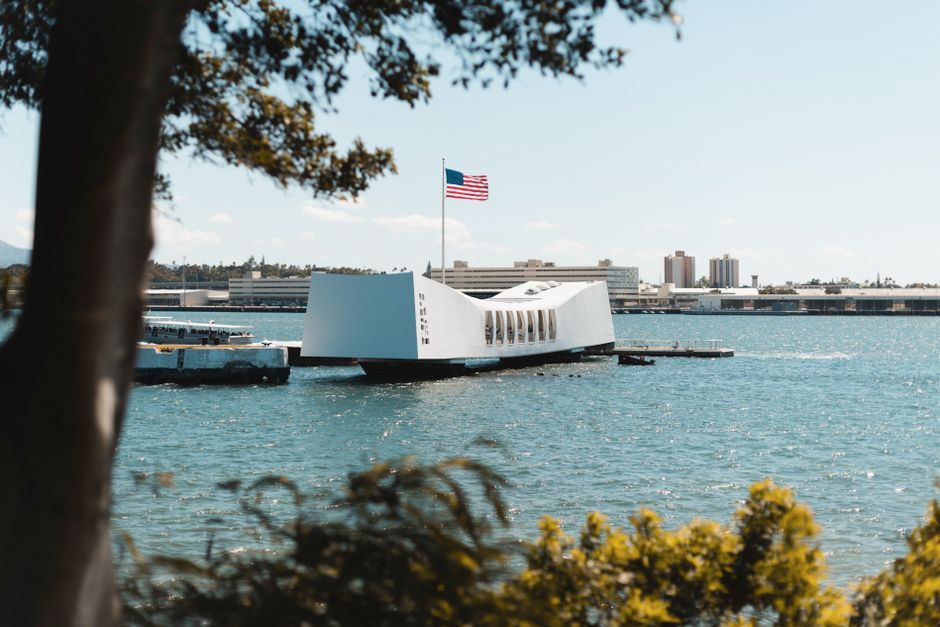
Pearl Harbor in Hawaii with a historic battleship
By Oahu Private Tours July 4, 2026
A clear breakdown of how much time Pearl Harbor takes, from a quick USS Arizona stop to a full day across all four historic sites.
Aerial view of a tropical beach peninsula beside a city skyline and mountains under blue water.
June 26, 2026
Compare group, private, and self-guided Pearl Harbor tours by cost, time, flexibility, and ticket logistics to find the visit style that fits your trip.
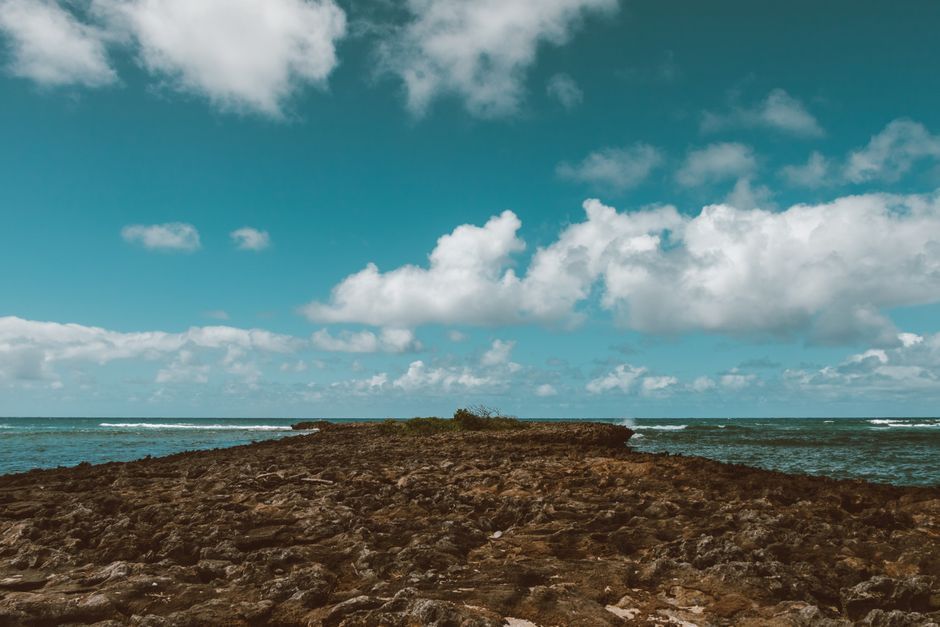
Rocky shoreline with turquoise ocean, waves, and a small island under a bright blue sky
May 28, 2026
A complete rundown of the best stops on an Oahu Circle Island tour, from south shore lookouts and Byodo-In Temple to North Shore beaches and Haleiwa.
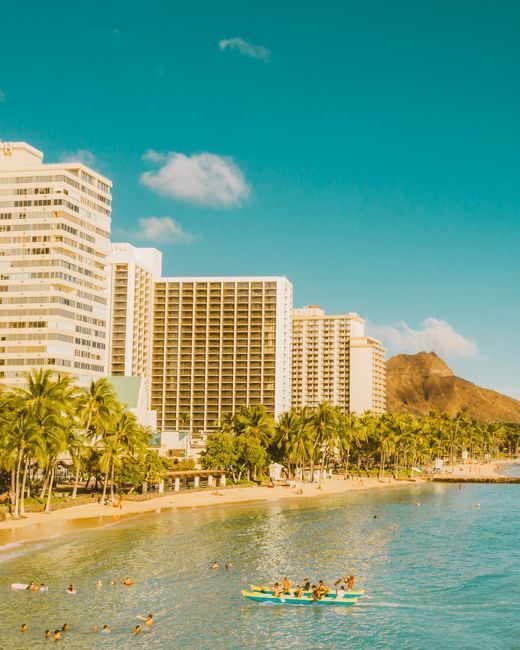
White-sand beach with turquoise water, sailboats, and tall beachfront hotels beside a green mountain.
May 28, 2026
A guide to the best attractions near Waikiki, from Diamond Head and Pearl Harbor to Iolani Palace, Kapiolani Park, and the North Shore.
People preparing food in a restaurant kitchen, with one person plating dishes at a counter.
May 4, 2026
From garlic shrimp trucks to chocolate haupia pie, this guide covers the must-try local foods along Oahu's North Shore, so you know exactly what to eat and where.
Battleship docked at a harbor with American flags lining a walkway and a few people walking toward it
May 4, 2026
Plan your Pearl Harbor visit with our guide to the best times, weather conditions, and seasonal highlights. Find the perfect time for your Oahu adventure.
Historic colonial-style building with arches and palm trees beside a green lawn and statue
April 21, 2026
Hawaiian Kingdom History in Honolulu  Hawaiʻi’s history is deeply rooted in sovereignty, transformation, and resilience—and nowhere is that story more visible than in the landmarks of downtown Honolulu. Within just a few blocks, you can walk through centuries of Hawaiian Kingdom history, from its unification to its overthrow and beyond. The Rise of the Hawaiian Kingdom The story begins with King Kamehameha I, the aliʻi (chief) who united the Hawaiian Islands in 1810 after years of conflict. His leadership established the Hawaiian Kingdom as a recognized and independent nation, complete with its own government, laws, and international diplomacy. Today, his legacy is honored in front of Aliʻiōlani Hale, where the iconic King Kamehameha Statue stands. Draped in gold and often adorned with fresh lei, the statue symbolizes strength, unity, and the foundation of the Hawaiian Kingdom. It’s a powerful place to begin understanding Hawaiʻi’s royal past. ʻIolani Palace: A Royal Residence Just across the street sits ʻIolani Palace, the only official royal palace in the United States. Completed in 1882 under King Kalākaua, the palace represented a modern and forward-thinking kingdom. It even had electricity before the White House. ʻIolani Palace wasn’t just a home—it was the political and cultural heart of the Hawaiian Kingdom. Monarchs like Queen Liliʻuokalani ruled from here, navigating a rapidly changing world as foreign influence in the islands grew stronger.
Waikiki beach with Diamond Head in the back
April 21, 2026
The Ultimate Travel Guide to Visiting Oahu (And How to Experience It the Right Way) Planning a trip to Oahu? Whether it’s your first time or your fifth, the island offers far more than just beaches and mai tais. From powerful history to lush mountain hikes and legendary surf breaks, here are essential travel tips plus how to explore these places with deeper cultural insight.
Show More