PERSONALIZED HAWAII TOURS
A Visitor Guide to Sharks Cove Snorkeling on the Oahu North Shore
Oahu Private Tours • August 28, 2026
Sharks Cove is one of the best snorkeling sites on Oahu for part of the year, and genuinely dangerous for the rest. That is not a marketing line. The same protected pool that feels like an aquarium in July turns into a shore break in January.
This guide covers snorkeling at Sharks Cove Oahu with the season front and center, then works through what lives on the reef, how to get in without cutting yourself, and the parking and gear details that decide how the morning goes.
Where Sharks Cove Is Located
Sharks Cove sits inside Pupukea Beach Park on the Oahu North Shore, less than a mile north of Waimea Bay and roughly an hour's drive from Waikiki. Foodland and a cluster of food trucks sit across the highway. Entry is free and the park is open year round.
Why It Is Called Sharks Cove
The name comes from the shape of the outer reef, which looks like a shark when seen from above, not from anything swimming in the water. Sightings inside the cove are rare, and the occasional reef shark that passes outside it is harmless. That is the whole story.
Best Season for Sharks Cove
Season is the only question that really matters here, and it outranks tide, time of day, and forecast apps. The best time to snorkel Sharks Cove is summer, without qualification, because the North Shore swings between two completely different states across the year.
- Summer (May to September): the surface goes flat and visibility peaks. This is the reason to come.
- Winter (October to April): swells build and currents run hard. Snorkeling is unsafe, worst from December to February.
Summer Snorkeling Conditions
From roughly May through September the surface goes flat and the cove behaves like a natural swimming pool. Visibility is at its best, the reef walls are easy to follow, and you can spend an hour circling the edges without fighting any real water movement.
Winter Surf and Hazards
October through April is surf season, and it peaks from December through February when North Shore swells regularly run from ten to thirty feet. Waves break directly into the cove, currents pull hard across the entry, and snorkeling is simply not safe. Watch from the rocks instead.
What You Will See Underwater
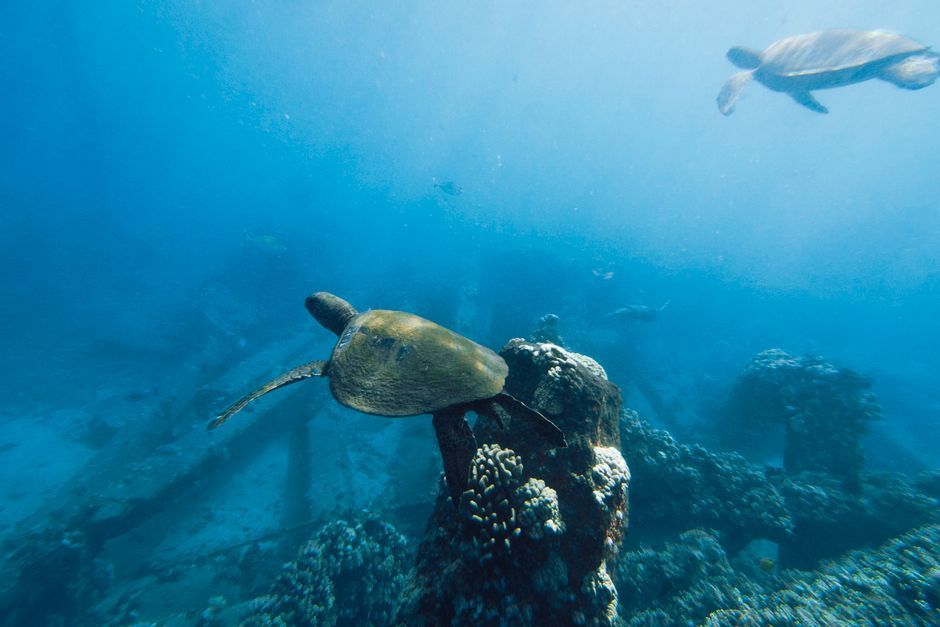
The honest answer to what to see at Sharks Cove is a busy reef rather than a spectacular one. Expect butterflyfish, parrotfish, surgeonfish, tang, wrasse, and the occasional moray eel tucked into a ledge, with jacks patrolling the deeper middle.
Honu, the Hawaiian green sea turtle, turn up regularly. Most of the cove runs about 8 to 20 feet deep, and the lava caves, ledges, and tunnels that draw free divers sit between roughly 15 and 45 feet, well below comfortable snorkeling range.
Marine Conservation District Rules
The cove sits inside the Pupukea Marine Life Conservation District, established in 1983 and expanded in 2021 to take in the Kapoo tide pools. Protection here is real and enforced, so treat the whole area as a place to look rather than collect.
Taking, injuring, or removing any marine life is prohibited, as is carrying any device in the water that could be used to collect it. Feeding fish is banned outright. Turtles are protected too, so keep your distance and never touch one, however close it swims.
Getting In and Out Safely
So is Sharks Cove safe for snorkeling? In calm summer conditions, yes, with care. The path from the lot is steep and the entry is sharp lava rock that cuts easily, and there is no lifeguard on duty at any point in the year.
Check the ocean safety report before you drive north, enter slowly from the sandy pocket rather than jumping from the rocks, and turn back if any swell is running at all. Our guide to the best beaches on Oahu covers other calm water options.
Parking and Facilities
The lot holds around thirty cars and fills by mid morning through summer, so arriving between 9:00 and 10:00 am is the practical target. Restrooms and outdoor showers are on site, and gear rental and food trucks are a short walk across the highway.
Vehicle break-ins are reported here often enough to plan around. Leave nothing visible, and ideally leave nothing in the car at all, including items pushed under seats or into the glovebox. Take your key in a dry bag and travel light from the start.
What to Bring and Wear
Footwear is the one item people consistently get wrong. Ordinary sandals slip on wet lava and shred on the edges, and bare feet almost guarantee a cut, so proper reef shoes with real traction are not optional at this particular site.
- Reef shoes with genuine grip, not sandals.
- Reef safe sunscreen and a rash guard.
- Drinking water and a towel.
- A dry bag for your phone and car key.
Tide Pools for Families
The Sharks Cove tide pools are where families with small children often end up. The shallow pools along the left side, sometimes called the Kapoo or Old Quarry pools, hold warm ankle deep water where toddlers can wade and spot small fish without swell reaching them.
Supervision still matters. The pools sit on the same sharp rock as everything else here, footing is uneven, and a rogue winter wave can wash across them. Keep shoes on small feet, stay within arm's reach, and treat the pools as a summer activity too.
Nearby North Shore Stops
An hour in the water does not justify the drive on its own, so build the cove into a wider loop. Everything below sits within a few minutes of Pupukea, and our comparison of circle island versus North Shore days helps you pick a shape.
- Three Tables (200 yards south): shallower snorkeling with an easier entry.
- Waimea Bay (under a mile south): summer swimming and winter surf watching.
- Puu O Mahuka Heiau (five minutes uphill): the largest heiau on Oahu, with a wide coastal view.
- Banzai Pipeline (about a mile north): world class surf seen from the sand.
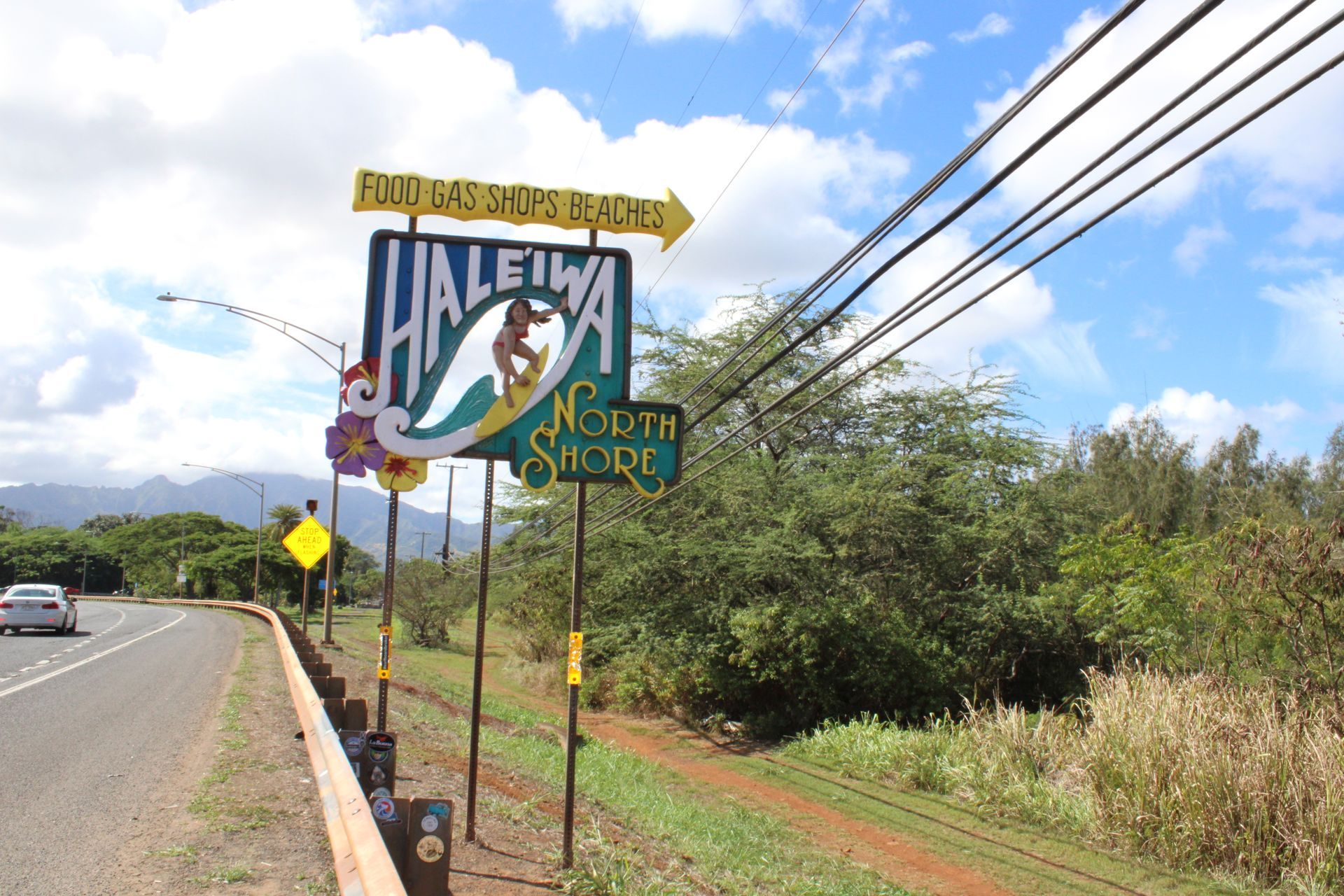
- Haleiwa town (fifteen minutes south): shave ice, galleries, and lunch.

Snorkel Sharks Cove with Oahu Private Tours
Conditions here change week to week, and reading them well is local knowledge rather than something a forecast app delivers. Knowing when the surface will actually be flat, which hour the lot still has space, and when to skip the cove entirely is the difference.
Our North Shore tours run with hotel pickup and a guide who checks the water before you commit to the drive. Get in touch and we will build the cove into a North Shore day that works around whatever the ocean is doing.