PERSONALIZED HAWAII TOURS
Why Japan Decided to Attack Pearl Harbor Back in December 1941
Oahu Private Tours • July 31, 2026
The question of why did Japan attack Pearl Harbor has a longer answer than most people expect. The strike on December 7, 1941 was not a sudden impulse but the result of years of mounting pressure, competing ambitions, and a diplomatic standoff neither side could resolve.
To understand what caused the Pearl Harbor attack, you have to look at oil, empire, and a decade of rising tension. This article traces those forces, giving history-minded readers the context to understand the decision before they stand on the very ground where it unfolded.
Rising Tensions Before the Attack
Understanding what led to the Pearl Harbor attack starts well before 1941. Relations between Japan and the United States had been souring for the better part of a decade, as Japan expanded across Asia and the United States grew alarmed by its aggressive military ambitions in the Pacific.
Japan's war in China deepened the rift. As Japanese forces pushed further into Chinese territory through the 1930s, Washington responded with growing criticism and economic pressure. Two former trading partners were steadily becoming strategic rivals, each convinced the other stood in the way of its goals.
Underlying it all was a clash of visions for the Pacific. Japan saw the region as its natural sphere of influence, while the United States backed an open door for trade and the independence of nations like China. Neither vision left much room for compromise.
Alliances hardened the divide further. In 1940, Japan signed the Tripartite Pact with Germany and Italy, formally linking itself to the Axis powers. To American leaders, this confirmed that Japan's ambitions were part of a broader threat, and it stiffened their resolve to push back.
Japan's Drive to Build Empire
One of the central reasons Japan attacked Pearl Harbor traces back to its drive to build an empire. Seeking resources, markets, and international status, Japan invaded Manchuria in 1931 and launched a full-scale war against China in 1937. Conquest, its leaders believed, would secure the nation's future.
Japan framed this expansion as the Greater East Asia Co-Prosperity Sphere, a vision of Asian nations united under Japanese leadership. In practice, it meant control over the raw materials, rubber, tin, and above all oil, that its growing military and industry could not produce at home.
These early conquests came at a diplomatic cost. Japan installed a puppet state in Manchuria and, when the League of Nations condemned the move, withdrew from the organization in 1933. Increasingly isolated, its leaders grew more willing to pursue their goals through military force alone.
There was a fundamental problem, though. Japan imported nearly all of its oil, much of it from the United States, and a resource-hungry war effort needed far more. This dependence pushed its leaders to look south, toward the oil-rich territories of Southeast Asia.
The US Oil Embargo Response
The United States answered Japanese expansion with escalating economic pressure. When Japan occupied French Indochina in 1941, President Roosevelt froze Japanese assets and, along with allies, cut off most of Japan's oil supply. The embargo was meant to force Japan to reconsider its path.
Diplomacy did continue through late 1941, but the two sides remained far apart. The United States demanded that Japan withdraw from China and Indochina, terms Japan's leaders found impossible to accept. As talks stalled, the window for a peaceful settlement narrowed with every passing week.
For Japan, the embargo created a stark choice. With its oil reserves shrinking and its military dependent on imports, its leaders could either back down and abandon their ambitions or seize the resources they needed by force. Understanding this dilemma adds real weight to any Pearl Harbor tour.
Yamamoto's Surprise Attack Plan
Faced with that choice, Japan decided on war, and Admiral Isoroku Yamamoto designed its opening move. His plan was a preemptive strike to cripple the US Pacific Fleet at Pearl Harbor, buying Japan time to seize Southeast Asian oil before America could respond in force.
The plan itself was audacious in scale. A strike force of six aircraft carriers would sail thousands of miles across the northern Pacific in secret, launching hundreds of planes against the fleet at anchor. Success depended entirely on surprise and on the weather holding for the crossing.
The reasoning was bold. Pearl Harbor sat thousands of miles from Japan, and American commanders considered it too distant to be a realistic target. A surprise attack, Yamamoto reasoned, could deal a devastating blow before the fleet even knew it was in danger. Expert Pearl Harbor guides bring this planning to life.
Yamamoto himself harbored doubts about the longer war. Having studied in the United States, he understood its vast industrial power and reportedly warned that Japan could run wild for six months or a year before America's strength turned the tide against it decisively.
Why Japan's Gamble Ultimately Failed
So why did Japan bomb Pearl Harbor in 1941 despite the enormous risk? Its leaders gambled that a crippling blow would force a quick settlement. Instead, by chance the US aircraft carriers were at sea on December 7 and escaped, leaving the fleet wounded but far from destroyed.
The base's oil storage tanks and repair yards also survived, and the deeper miscalculation was about American resolve. Instead of seeking peace, the United States mobilized for total war. Japan won early Pacific victories, but the attack had sealed the very outcome it feared, its long-term defeat.
President Roosevelt captured the national mood the next day, calling December 7 a date which will live in infamy. Congress declared war within hours, and a divided country became united almost overnight. The surprise attack had awakened the very industrial giant Japan most needed to keep neutral.
Ready to Walk Pearl Harbor's History?
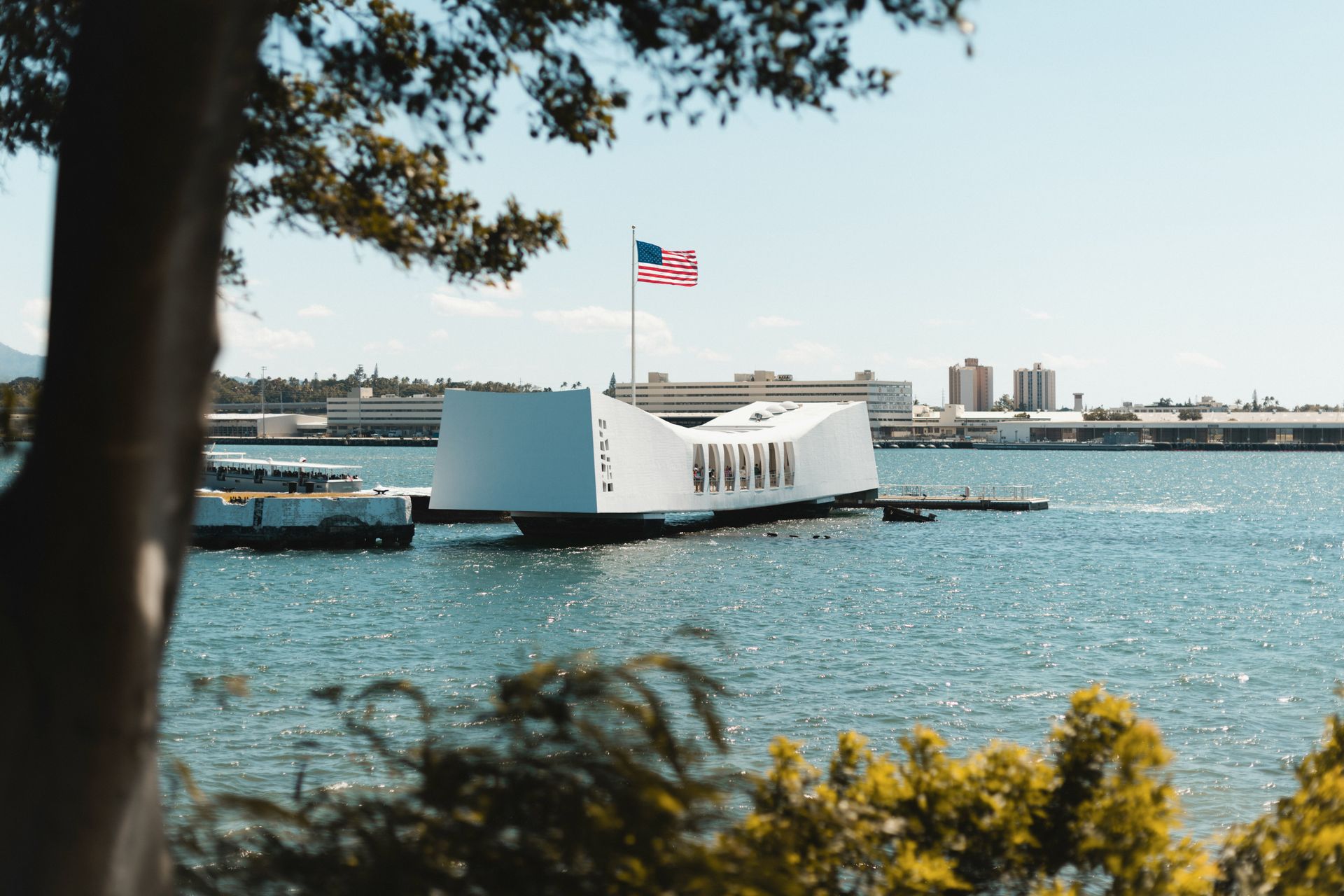
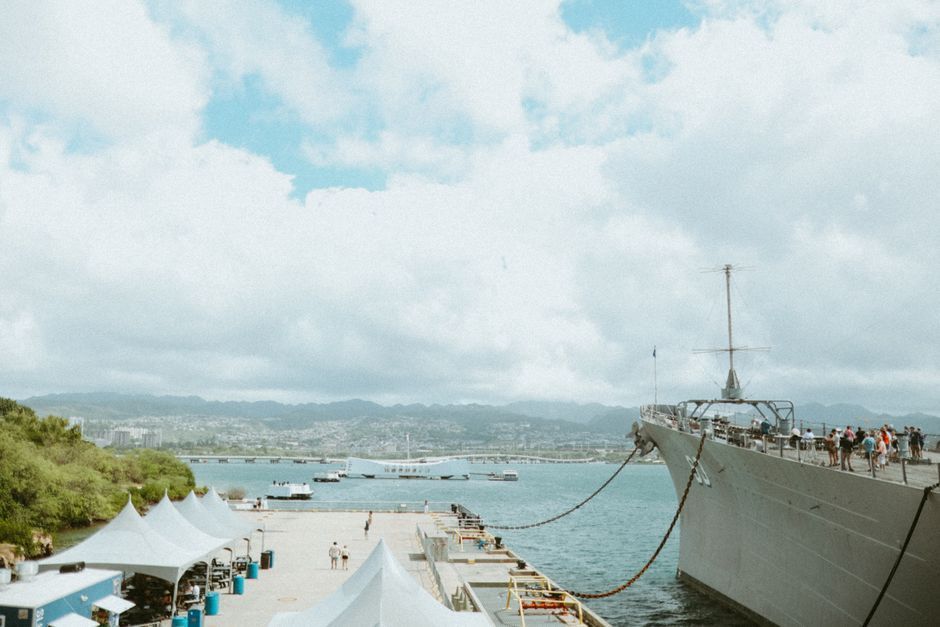
With the Pearl Harbor attack causes explained, standing at the memorial itself takes on a deeper meaning. Understanding the oil, empire, and diplomacy behind December 7 transforms a visit from simple sightseeing into a genuine encounter with the history that reshaped the twentieth century.
There is no substitute for experiencing it in person. A knowledgeable private guide can bring the full story to life as you explore the Pearl Harbor memorials. When you are ready to plan a meaningful visit, reach out to our team to begin.