PERSONALIZED HAWAII TOURS
Why the Waimea Valley Botanical Garden Is Truly Worth Visiting
Oahu Private Tours • September 19, 2026
Waimea Valley is one of those North Shore stops that surprises people. Many arrive expecting a quick walk to a waterfall and leave having spent half a day among rare plants, cultural sites, and one of the calmer corners of a busy coast. It rewards visitors who slow down.
This is a look at why Waimea Valley on Oahu is worth your time, what you will actually find there, and how to plan a visit that respects the valley and fits comfortably into a North Shore day.
TLDR
- Waimea Valley combines a large botanical garden, a walk to a waterfall, and a living Hawaiian cultural site.
- The botanical collections include native Hawaiian plants along a mostly flat, paved valley path.
- The walk ends at Waimea Falls, where swimming is allowed only when lifeguards and conditions permit.
- The valley holds deep cultural and historical significance and asks for a respectful visit.
- Admission is paid, and the main path is accessible for most visitors.
- Bring water, sun protection, and a swimsuit and towel if you hope to swim.
- It pairs naturally with Haleiwa town and the rest of the North Shore.
More Than a Garden
The name suggests a garden, and it is one, but that undersells the place. Waimea Valley is an extensive botanical and cultural site on the North Shore, cared for by a nonprofit steward, that brings together plant collections, a waterfall, and centuries of Hawaiian history in a single valley. You can treat it as a nature walk, a cultural visit, or both.
That mix is exactly what makes it worthwhile. Where many attractions do one thing, Waimea Valley layers several, so a family, a plant lover, and a history-minded traveler can all find something here. Admission is charged, and because details can change, it is worth checking the official Waimea Valley site for current hours and pricing before you go.
The Botanical Collections
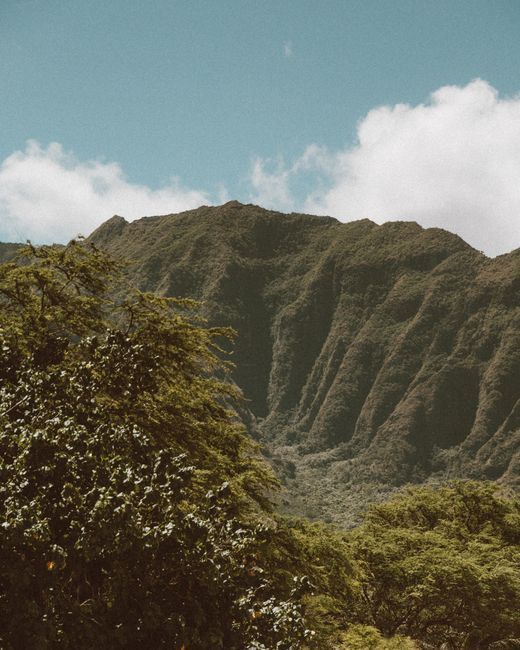
The heart of the valley is its gardens, arranged along a paved path that follows the stream toward the falls. The collections range from native Hawaiian plants to tropical species gathered from across the Pacific and beyond, with quiet clearings and themed sections along the way.
You do not need to be a botanist to enjoy it. The planting is beautiful in its own right, and the signage helps you notice things you would otherwise walk past. Taking the path slowly, rather than marching straight to the waterfall, is where a lot of the pleasure lives.
The Walk to Waimea Falls
At the end of the valley path sits Waimea Falls, the destination most visitors have in mind. The walk to reach it is gentle and mostly flat, which makes it accessible to a wide range of ages and abilities, a welcome change from the steep trails elsewhere on the island.
Swimming at the base of the falls is sometimes possible, but only when lifeguards are on duty and conditions allow, and life vests are provided when it is open. Whether you can swim on a given day depends on weather and water conditions, so treat it as a lovely possibility rather than a guarantee, and pack a swimsuit just in case.
A Living Cultural Site
Waimea Valley is a place of real cultural weight. It holds archaeological and sacred sites connected to generations of Hawaiian life, and it is presented as a living cultural landscape rather than a backdrop for photos. Visitors are asked to move through it with the same respect they would show any sacred place.
Approaching the valley this way deepens the visit. Reading the interpretive signs, staying on the paths, and treating the sites with care lets you appreciate that you are walking through a place that has mattered to Hawaiians for a very long time, not simply a garden with a waterfall at the end.
Knowing Before You Go
A little preparation makes the visit smoother and more comfortable:
- Expect paid admission, and check current hours and pricing on the official site.
- The main path is paved and mostly flat, so it suits most visitors.
- Bring water and sun protection, since the valley can be warm and exposed in places.
- Pack a swimsuit and towel in case swimming at the falls is open.
- Allow a couple of hours or more if you want to enjoy the gardens, not just the falls.
Fitting It Into a North Shore Day
Waimea Valley sits right in the middle of the North Shore's best-known stretch, which makes it easy to combine with the rest of the coast. Pair it with the beaches, the food trucks, and the surf towns, starting with this guide to Haleiwa town for the nearby hub where many North Shore days begin or end.
Seeing It With a Local Guide
If you would rather not manage the drive from Waikiki, the parking, and the timing, a guided day is an easy alternative. Our private North Shore Oahu tours fold Waimea Valley into a relaxed loop of the coast, with a local guide to add the context and handle the logistics so you can simply enjoy the day.
Ready to Plan Your North Shore Day?
However you get there, Waimea Valley is a rare stop that rewards a slower pace, blending nature, history, and a waterfall into one easy walk. If you would like help building it into a North Shore itinerary, you can plan your Oahu itinerary with our team.